 1001 Sam Bass Rd, Round Rock, TX, 78681
 (512) 255-2022
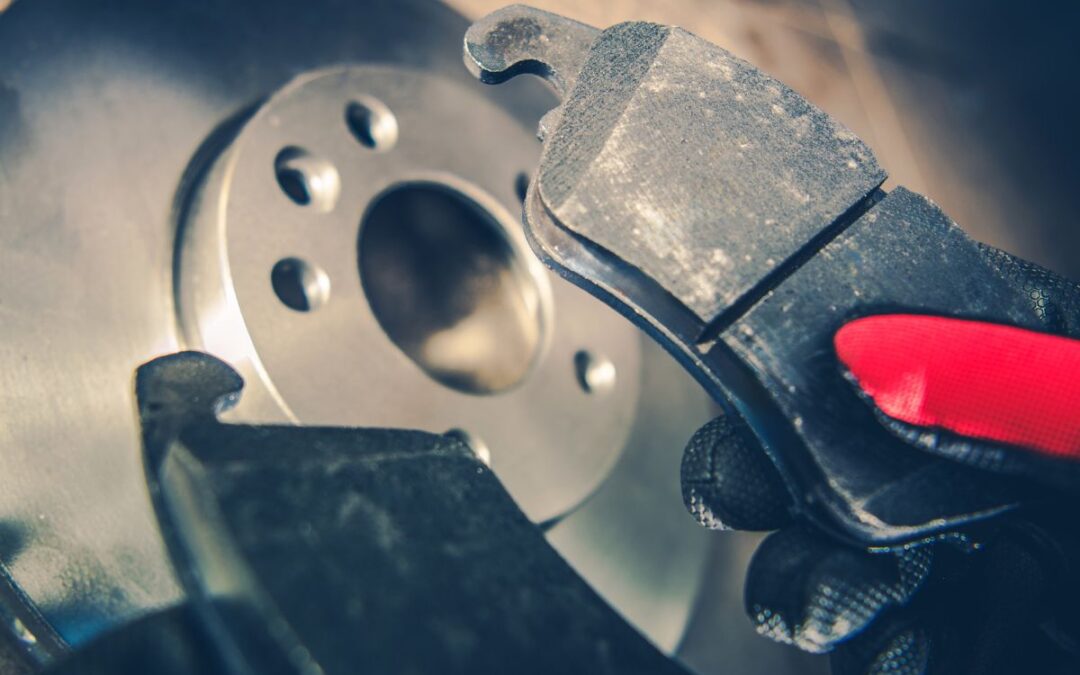
Your braking system is one of the most important safety features on your vehicle, especially for drivers in Texas where long highways, heavy traffic, and high temperatures can put extra stress on brake components. Worn brake pads, low fluid, or damaged rotors can reduce stopping power and increase the risk of accidents. Staying ahead of brake wear with routine inspections and professional brake repair and service at Adair & Sons helps keep your vehicle safe, responsive, and reliable in all driving conditions.
Texas drivers often deal with stop and go traffic, long commutes, and sudden braking situations. Heat from the road and the engine can also cause brake parts to wear faster than expected.
Because of this, brake maintenance should never be ignored. Small problems can quickly turn into serious safety issues if repairs are delayed.
This guide explains how braking systems work, why Texas driving conditions affect them more, and how regular service helps keep your vehicle stopping safely.
How Your Braking System Works
Your braking system uses hydraulic pressure and friction to slow and stop the vehicle. When you press the brake pedal, fluid moves through the brake lines and pushes the brake pads against the rotors. The friction created between the pads and rotors slows the wheels and brings the vehicle to a stop.
Several parts must work together for the system to function correctly. Brake pads, rotors, calipers, fluid, and hoses all play a role. If one part wears out or fails, braking performance can be reduced.
Modern vehicles also use electronic systems such as anti lock brakes and stability control. These systems help maintain control during sudden stops, but they still depend on the basic mechanical parts being in good condition.
Regular inspections help make sure every part of the braking system is working as it should.
Why Texas Driving Conditions Wear Brakes Faster
Texas drivers often travel long distances at high speed, which means brakes must handle more heat than in many other states. When brakes get hot, pads wear faster and rotors can warp over time.
Heavy traffic also increases brake wear. Constant stopping and starting causes the pads to press against the rotors more often, which shortens their lifespan.
Hot weather can also affect brake fluid. High temperatures may cause fluid to absorb moisture faster, which reduces braking efficiency. If fluid becomes contaminated, the pedal may feel soft or less responsive.
Drivers who tow trailers or carry heavy loads may experience even faster brake wear because the system must work harder to stop the vehicle.
Keeping up with inspections helps prevent brake problems before they become dangerous.
Signs Your Brakes Need Service
Brake problems often start with small changes that drivers may not notice right away. Paying attention to warning signs can help prevent damage to other parts of the system.
Common signs of brake wear include squeaking or grinding noise when stopping, vibration in the steering wheel, or a brake pedal that feels soft. Some drivers notice the vehicle takes longer to stop or pulls to one side while braking.
A burning smell after heavy braking can also mean the brakes are overheating. This should be inspected as soon as possible.
Ignoring these signs can lead to damaged rotors, worn calipers, or loss of braking power. Checking the system early helps avoid expensive repairs.
The Importance of Brake Pad Replacement
Brake pads wear down over time because they create friction every time the pedal is pressed. Once the pad material becomes too thin, it cannot stop the vehicle effectively.
Replacing pads at the right time helps protect the rotors from damage. If pads wear completely out, metal can contact the rotor, which can cause deep grooves and require more expensive repairs.
Most brake pads last between 25,000 and 70,000 miles depending on driving habits and conditions. Texas drivers who spend more time in traffic may need replacement sooner.
Regular inspection makes it easier to replace pads before they cause damage.
Why Rotor Condition Matters
Rotors provide the surface that the brake pads press against. If rotors become warped or worn, braking may feel uneven or shaky.
Heat is one of the main reasons rotors wear out. Repeated hard braking can cause the metal to expand and contract, which may lead to vibration or pulsing in the pedal.
Rotors can sometimes be resurfaced if the wear is minor, but heavily damaged rotors should be replaced. Keeping the rotors in good condition helps the brakes work smoothly and quietly.
Checking rotor condition during brake service helps prevent future problems.
Brake Fluid and Hydraulic System Maintenance
Brake fluid transfers the force from the pedal to the brakes. If the fluid becomes dirty or absorbs moisture, the system may not respond as quickly.
Low brake fluid can also allow air to enter the lines, which reduces pressure and makes the pedal feel soft. This can increase stopping distance and reduce safety.
Brake fluid should be inspected during routine maintenance and replaced when needed. Flushing the system removes contaminants and keeps the brakes working correctly.
Maintaining the hydraulic system is just as important as replacing pads and rotors.
How Heat and Heavy Driving Affect Brakes
Texas heat can cause brake parts to wear faster, especially during long drives or heavy use. High temperatures increase friction, which leads to faster pad wear and more stress on rotors.
Driving in hilly areas or towing also increases brake temperature. When brakes get too hot, they may lose effectiveness, which is called brake fade.
Allowing brakes to cool when possible and keeping the system in good condition helps prevent overheating. Regular service makes sure all parts can handle the demands of Texas driving.
Drivers who use their vehicle for work or travel long distances should have brakes checked more often.
Why Routine Brake Inspections Matter
Brake inspections help find problems before they affect safety. Checking pad thickness, rotor condition, and fluid levels can reveal wear that is not obvious while driving.
Routine inspections also allow technicians to look at hoses, calipers, and other parts that may develop leaks or damage over time.
Catching problems early usually means the repair is simple and less expensive. Waiting too long can lead to damage that requires replacing multiple parts.
Keeping a regular inspection schedule helps make sure the braking system stays reliable.
When to Schedule Brake Service
Brake service should be scheduled whenever warning signs appear or when routine maintenance is performed. Many drivers have their brakes inspected during oil changes or tire service.
Vehicles that are driven frequently, used for towing, or driven in heavy traffic may need service sooner. Checking the brakes once or twice a year helps prevent unexpected problems.
New noises, vibration, or changes in stopping distance should never be ignored. Having the system inspected quickly helps keep the vehicle safe.
Consistent service keeps braking performance strong and predictable.
Final Thoughts About Brake Repair and Service
Your braking system is critical for safe driving, especially in Texas where heat, traffic, and long distances can wear parts faster than expected. Regular inspections, pad replacement, and fluid service help keep stopping power strong and prevent damage to expensive components. Drivers who stay ahead of brake maintenance often avoid sudden repairs and enjoy smoother, safer driving. Scheduling professional brake repair and service at Adair & Sons helps ensure your brakes are ready for daily driving, highway travel, and any road conditions you may face.
FAQ About Brake Repair and Service
How often should brakes be inspected?
Brakes should be inspected at least once a year or whenever you notice noise, vibration, or reduced stopping power.
How long do brake pads last?
Most brake pads last between 25,000 and 70,000 miles depending on driving habits and conditions.
What causes brakes to squeak?
Squeaking can be caused by worn pads, dust buildup, or moisture. Grinding noise usually means the pads are worn out.
Can I drive with worn brakes?
Driving with worn brakes is dangerous and can damage rotors and other parts. Service should be done as soon as possible.
Why does my steering wheel shake when braking?
Vibration during braking often means the rotors are warped or uneven.
Does heat affect brake performance?
Yes. High temperatures can cause brake parts to wear faster and may reduce braking efficiency if the system overheats.