 1001 Sam Bass Rd, Round Rock, TX, 78681
 (512) 255-2022

The Leading Garage in Round Rock for Acura Oxygen Sensor Replacement
Your Acura’s oxygen sensors monitor the oxygen content for the gas emissions of your vehicle and the performance of your catalytic converter. Although your Acura can run with faulty oxygen sensors, engine damage risk increases the longer you drive with failing sensors. Keep reading to learn more about the importance of Acura oxygen sensor replacement.
What is a Catalytic Converter?
The catalytic converter is part of a vehicle’s exhaust system used to turn harmful hydrocarbons, carbon monoxide, and nitrogen oxides into less harmful emissions such as carbon dioxide, nitrogen, and water vapor.
What is the Purpose of Oxygen Sensors?
As you drive your Acura, it produces “waste gases” that are carried through your exhaust from your engine. The oxygen sensors ensure these fumes are expelled and help manage your engines’ emissions by working with your fuel injection system. Installed at the front and back end of the catalytic converter, most vehicles have between two to five sensors, although some might have more.
They measure the amount of unburned oxygen in the exhaust and communicate that information to your electronic control unit (ECU). As a result, you maintain optimized performance, allowing the fuel injection system to adjust based on the appropriate air-to-fuel ratio.
How Do Oxygen Sensors Fail?
The most common cause of oxygen sensor failure is fuel contamination, such as oil, coolant, or silicone. Oil blow-by is more common with older engines, while an engine gasket leak can lead to coolant being burnt in the combustion chamber. Excessively rich fuel mixture condition is also a common issue, which is why it’s important to keep your systems functioning properly with regular sensor checks, maintenance, and replacement.
Why Should I Worry About Oxygen Sensor Replacement?
The oxygen sensor plays a vital role in maintaining your car’s health by regulating the air-fuel mixture for optimal performance. Regular Acura maintenance ensures the sensors are checked to keep them operating properly so your vehicle optimizes fuel economy and avoids engine damage. When there is too much oxygen, the fuel mix is too lean, meaning there is too much air and not enough fuel. This can lead to engine failure over time. When there isn’t enough oxygen, the fuel mix is too rich, which can impact your fuel economy, increase your emissions, and eventually damage your engine.
What are the Signs of a Failing Oxygen Sensor?
Some common signs of failing oxygen sensors include:
- Decreased gas mileage due to more fuel being injected into the engine
- Engine misfiring and rough idling
- Check engine light message
- A decrease in engine power, such as poor acceleration or struggling to reach full power
- The smell of rotten eggs due to excess fuel in the engine
If you notice these symptoms or your check 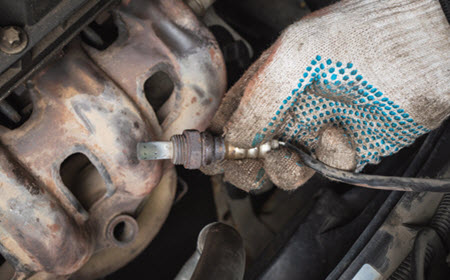 engine light is on, you should have your Acura checked by the leading garage in Round Rock to confirm it’s time for oxygen sensor replacement.
Schedule your vehicle’s TLC today to ensure it runs smoothly and safely by booking a service appointment with Adair & Sons in Round Rock, TX.

 it’s important to set up an appointment to have your rear springs assessed and understand what Toyota repairs or part replacements are required.