 1001 Sam Bass Rd, Round Rock, TX, 78681
 (512) 255-2022
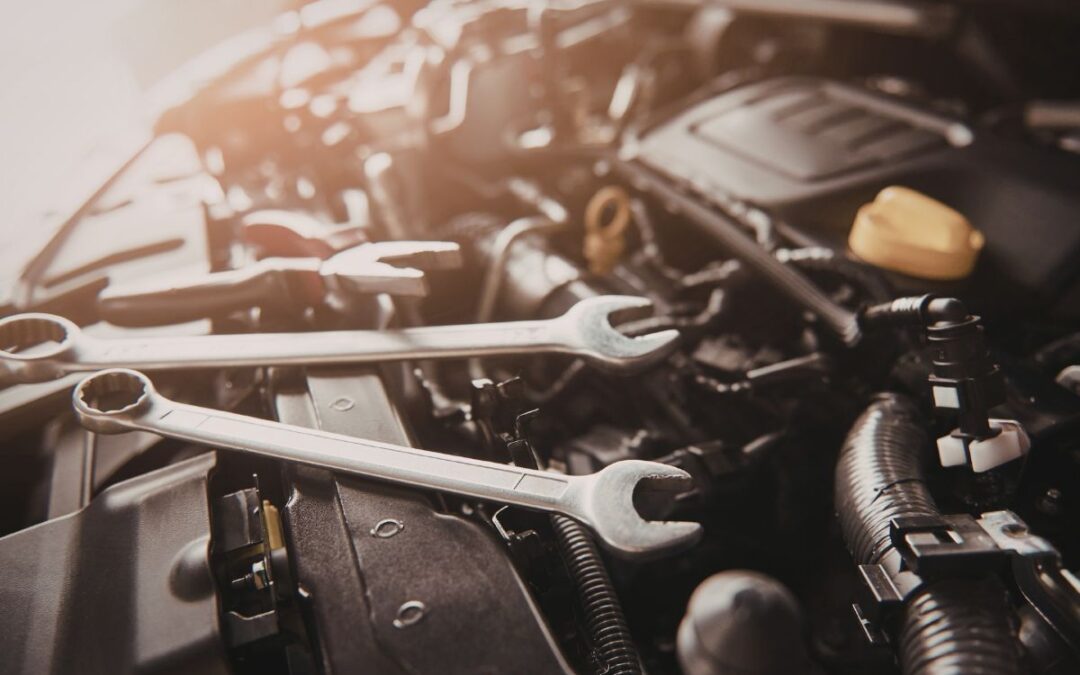
Your engine is the most important part of your vehicle, and keeping it in good condition requires more than basic maintenance. Modern engines rely on sensors, computers, and precise timing to run efficiently, which means even a small problem can affect performance. When warning lights appear or the vehicle starts running differently, early inspection can prevent expensive repairs. Drivers who schedule professional check engine diagnostics at Adair & Sons often catch problems early and keep their vehicles running smoothly for much longer.
Texas driving conditions can make engine maintenance even more important. High temperatures, long highway miles, and heavy traffic all place extra stress on engine components. Over time, heat can break down fluids, wear out belts and hoses, and affect sensors that control fuel and air flow. Keeping the engine healthy requires regular inspections, proper fluid service, and accurate diagnostics when something does not feel right.
This manual explains how engines stay healthy, what causes performance problems, and how proper diagnostics help keep your vehicle reliable.
How Modern Engines Maintain Performance
Modern engines are designed to run efficiently while producing more power and using less fuel. To do this, they depend on a network of sensors and computer systems that constantly adjust fuel delivery, ignition timing, and air flow.
The engine control module monitors information from sensors throughout the vehicle. If something is not working correctly, the system stores a code and may turn on the check engine light.
Because so many parts work together, a small problem in one area can affect overall performance. Dirty fuel injectors, weak ignition coils, or failing sensors can reduce power and fuel efficiency.
Regular inspections help make sure all systems are working together the way they should.
What the Check Engine Light Really Means
The check engine light is one of the most common warnings drivers see. Many people ignore it if the vehicle still runs, but the light often means the computer has detected a problem that needs attention.
Sometimes the issue is minor, such as a loose gas cap, but other times it can be related to the fuel system, ignition system, emissions components, or engine timing.
Reading the diagnostic codes is the first step in finding the cause. Modern scan tools allow technicians to see the stored codes and test different systems to identify the problem.
Fixing the issue early helps prevent damage and keeps the engine running efficiently.
Common Causes of Engine Performance Problems
There are many reasons an engine may lose power, run rough, or use more fuel than normal. Some problems develop slowly, while others appear suddenly.
Dirty or clogged air filters can restrict airflow and reduce performance. Worn spark plugs can cause misfires that make the engine shake or hesitate. Faulty sensors can send incorrect information to the computer, which affects fuel delivery.
Fuel system problems can also cause poor performance. Injectors that are dirty or failing may not deliver the correct amount of fuel. Low fuel pressure can make the engine struggle under load.
Cooling system issues can also affect performance. If the engine runs too hot, it may reduce power to protect itself.
Accurate diagnostics help identify the exact cause instead of guessing.
Why Diagnostics Are Better Than Guessing
In the past, engine problems were often diagnosed by replacing parts until the problem went away. Modern vehicles are more complex, so guessing can waste time and money.
Diagnostic testing uses scan tools, sensor readings, and inspection procedures to find the real cause of the problem. This makes repairs more accurate and prevents unnecessary parts replacement.
Professional diagnostics also check related systems that may be affected. For example, a misfire could be caused by ignition parts, fuel delivery, or a sensor problem.
Finding the correct cause the first time helps avoid repeat repairs.
How Heat Affects Engine Health in Texas
High temperatures can put extra stress on engines. Oil can break down faster, coolant systems must work harder, and sensors can be affected by heat.
Driving in traffic or towing during hot weather increases engine temperature even more. If cooling system parts are worn or fluid levels are low, overheating can occur.
Heat can also affect electrical components. Sensors and wiring may fail sooner in hot climates, which can cause warning lights or performance problems.
Regular inspections help make sure the engine is ready for Texas conditions.
The Role of Regular Inspections in Preventing Repairs
Routine inspections allow technicians to find small issues before they turn into major problems. Checking belts, hoses, filters, and fluid levels helps keep the engine working correctly.
Listening for unusual noise, checking for leaks, and scanning for codes can reveal problems that are not yet noticeable while driving.
Many engine failures happen because a small issue was ignored for too long. A worn belt, low coolant level, or dirty filter can lead to expensive damage if not repaired.
Preventative maintenance is usually much less expensive than major repairs.
Fuel System Maintenance for Better Performance
The fuel system delivers the exact amount of fuel the engine needs to run efficiently. If any part of the system is dirty or worn, performance can suffer.
Fuel injectors can become clogged over time, especially if low quality fuel is used. This can cause rough idle, poor acceleration, and reduced fuel economy.
Fuel filters should be replaced at the recommended interval to keep dirt and debris out of the system. The fuel pump should also be inspected if the engine struggles under load.
Keeping the fuel system clean helps the engine run smoothly and improves efficiency.
Ignition System and Sensor Maintenance
The ignition system controls when fuel is burned inside the engine. Spark plugs, coils, and sensors must work correctly to produce smooth power.
Worn spark plugs can cause misfires that make the engine shake or hesitate. Failing ignition coils can cause the engine to lose power or run unevenly.
Sensors also play an important role. Oxygen sensors, mass air flow sensors, and temperature sensors all send information to the computer. If one sensor fails, the engine may not run correctly.
Regular inspection and replacement of worn parts keeps performance strong.
When to Schedule Engine Diagnostics
Drivers should schedule diagnostics anytime the check engine light comes on, the vehicle runs rough, or fuel economy suddenly drops.
Other signs include hard starting, stalling, unusual noise, or smoke from the exhaust. Even small changes in performance can mean something is wrong.
Waiting too long to check the problem can allow damage to spread to other parts. Early diagnostics make repairs easier and less expensive.
Routine testing also helps confirm that the engine is working properly after repairs.
Final Thoughts About Engine Diagnostics
Keeping your engine healthy requires more than basic maintenance. Modern vehicles depend on sensors, computers, and precise timing to run correctly, which means accurate diagnostics are essential when problems appear. Heat, long drives, and daily use in Texas can increase wear on engine components, so early inspection helps prevent costly repairs. Scheduling professional check engine diagnostics at Adair & Sons helps identify issues quickly, restore performance, and keep your vehicle running safely and efficiently for the long term.
FAQ About Engine Diagnostics
What should I do if my check engine light comes on?
You should have the vehicle scanned as soon as possible. The light means the computer detected a problem that should be inspected.
Can I keep driving with the check engine light on?
Sometimes the vehicle will still run, but driving too long without checking the problem can cause more damage.
What causes loss of engine power?
Common causes include dirty filters, fuel system problems, sensor failure, ignition issues, or overheating.
Are diagnostics expensive?
Diagnostics usually cost less than replacing parts unnecessarily. Finding the exact problem first often saves money.
How often should engine inspections be done?
A general inspection should be done during routine maintenance, usually every 5,000 miles or when performance changes.
Do modern cars require special diagnostic tools?
Yes. Modern vehicles use computer systems that require advanced scan tools to read codes and test sensors accurately.