 1001 Sam Bass Rd, Round Rock, TX, 78681
 (512) 255-2022
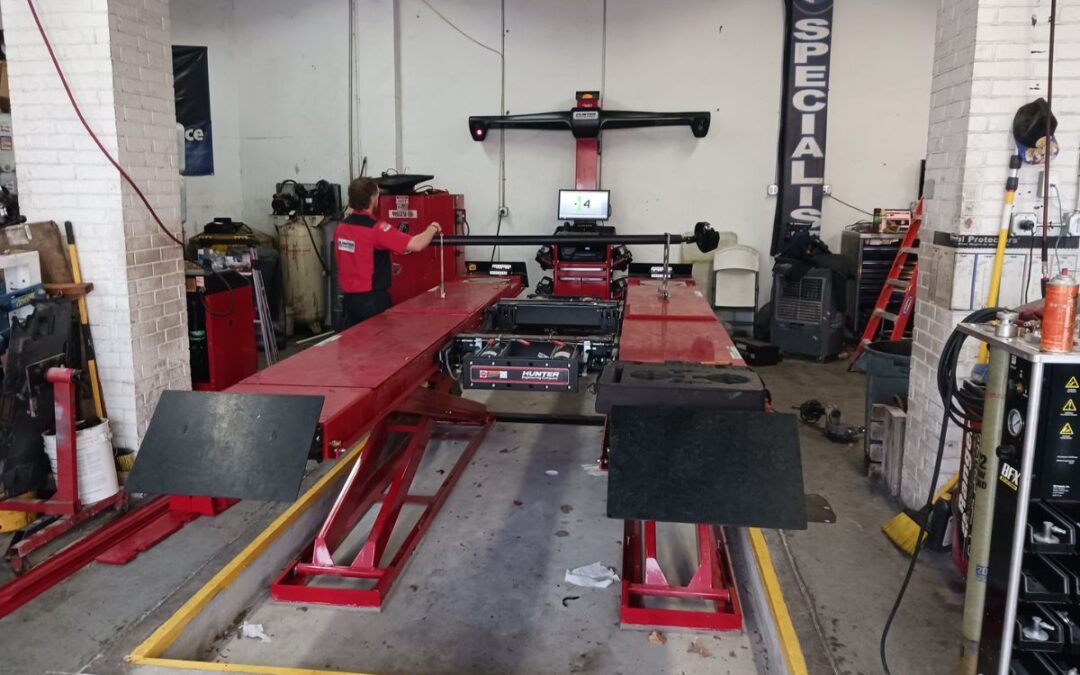
Proper wheel alignment plays a major role in how your vehicle handles, how long your tires last, and how safe your car feels on the road. Many drivers do not realize that even a small alignment problem can cause uneven tire wear, poor steering response, and reduced fuel efficiency. Texas roads, heat, and long driving distances make alignment even more important. Drivers who schedule regular Hawkeye tire alignment at Adair & Sons often notice smoother driving, longer tire life, and better control at highway speeds.
Modern alignment is not just about making the steering wheel straight. Today’s vehicles require high precision measurements that adjust angles to exact factory specifications. Advanced alignment systems use digital sensors and computer guided equipment to make sure every wheel is positioned correctly. When alignment is done accurately, the vehicle drives straighter, tires wear evenly, and suspension components last longer.
Understanding how alignment works and why precision matters helps drivers avoid expensive tire replacement and unnecessary suspension repairs.
What Wheel Alignment Actually Means
Wheel alignment refers to adjusting the angles of the wheels so they match the manufacturer’s specifications. These angles determine how the tires contact the road and how the vehicle tracks while driving.
There are three main alignment angles that technicians adjust.
Camber is the angle of the tire when viewed from the front of the vehicle. If the top of the tire leans inward or outward too much, the tire can wear unevenly.
Caster is the angle of the steering pivot when viewed from the side. This angle affects steering stability and how the wheel returns to center after turning.
Toe is the angle that shows whether the tires point inward or outward when viewed from above. Incorrect toe is one of the most common causes of rapid tire wear.
When these angles are not correct, the vehicle may pull to one side, the steering wheel may feel off center, or the tires may wear faster than normal.
Why Precision Alignment Matters More on Modern Vehicles
Older vehicles were more forgiving when alignment was slightly off. Modern vehicles use tighter suspension tolerances, electronic steering systems, and advanced safety features that require more accurate adjustments.
Even a small difference in alignment can affect how stability control, lane assist, and braking systems perform. Precision alignment makes sure all systems work together the way the manufacturer designed them.
High precision alignment also helps protect expensive tires. Many modern tires are designed for performance and comfort, but they can wear quickly if the alignment is incorrect. A precise adjustment helps the tire make full contact with the road, which improves traction and extends tire life.
Using advanced equipment ensures the measurements are accurate and repeatable, which leads to better results than basic alignment methods.
How Texas Roads Affect Wheel Alignment
Driving conditions in Texas can cause alignment to go out of specification faster than expected. Potholes, rough pavement, and long highway drives all put stress on suspension components.
Hitting a pothole or curb can knock the wheels out of alignment instantly. Even small impacts can change the angles enough to cause uneven tire wear over time.
Heat also plays a role. High temperatures can affect tire pressure and suspension parts, which changes how the vehicle sits on the road. When ride height changes, alignment angles can change as well.
Drivers who travel often or drive long distances should have alignment checked regularly to avoid tire damage and steering problems.
Signs Your Vehicle Needs an Alignment
Many drivers do not notice alignment problems right away. The vehicle may still feel normal at first, but small changes can lead to larger issues if not corrected.
Common signs of alignment problems include the vehicle pulling to one side, uneven tire wear, or a steering wheel that is not centered while driving straight. Some drivers also notice vibration or loose steering.
If tires wear faster on one edge than the other, alignment should be checked as soon as possible. Uneven wear can shorten tire life and reduce traction, especially in wet conditions.
Checking alignment when these signs appear helps prevent the need for early tire replacement.
How Hawkeye Alignment Technology Works
Modern alignment systems use advanced cameras and sensors to measure wheel angles with extreme accuracy. Hawkeye alignment technology is one of the most precise systems available today.
Instead of relying on basic gauges, the system uses digital targets mounted on each wheel. Cameras read the position of the targets and send the information to a computer that compares the measurements to factory specifications.
This process allows technicians to make exact adjustments and verify that every angle is correct. Because the measurements are digital, the results are more accurate than traditional alignment tools.
Precision equipment also makes it easier to align modern vehicles with complex suspension designs.
Benefits of Regular Alignment Service
Keeping the wheels aligned correctly provides several important benefits. Tires last longer because the tread wears evenly. Steering feels smoother and more stable, especially at highway speeds.
Fuel efficiency can also improve because the tires roll with less resistance. When the wheels are not aligned, the engine has to work harder to move the vehicle forward.
Alignment also helps protect suspension parts. When angles are incorrect, extra stress is placed on ball joints, tie rods, and bushings. Correct alignment reduces wear on these components and helps avoid costly repairs.
Regular alignment service keeps the vehicle driving the way it should and prevents problems from building over time.
When You Should Get an Alignment
There are several situations when alignment should be checked. After installing new tires, alignment helps make sure the tires wear evenly from the start.
Alignment should also be checked after replacing suspension parts, hitting a pothole, or noticing steering changes. Many drivers choose to have alignment inspected once a year as part of routine maintenance.
Vehicles that are driven frequently or used for long commutes may need alignment checks more often. Keeping the wheels properly adjusted helps maintain safety and comfort.
Routine inspections help catch small changes before they cause tire damage.
Final Thoughts About Wheel Alignment
Accurate wheel alignment is one of the most important services for keeping your vehicle safe, smooth, and efficient on Texas roads. Even small alignment problems can lead to uneven tire wear, poor steering control, and reduced fuel economy. Using advanced equipment makes sure adjustments are done correctly and helps protect expensive tires and suspension components. Drivers who schedule regular Hawkeye tire alignment at Adair & Sons often notice better handling, longer tire life, and a more comfortable driving experience.
FAQ About Wheel Alignment
How often should wheel alignment be checked?
Alignment should be checked at least once a year or anytime new tires are installed. It should also be inspected after hitting a pothole or noticing steering problems.
What happens if alignment is off?
Incorrect alignment can cause uneven tire wear, pulling while driving, poor fuel efficiency, and extra stress on suspension parts.
Can bad alignment ruin tires?
Yes. Misalignment can cause tires to wear out much faster than normal, sometimes in only a few thousand miles.
Does alignment affect fuel economy?
Yes. When wheels are not aligned correctly, the tires create more resistance, which makes the engine work harder and use more fuel.
Is alignment needed after new tires?
Yes. Aligning the wheels after installing new tires helps make sure the tires wear evenly and last as long as possible.
What makes Hawkeye alignment different?
Hawkeye alignment uses digital cameras and sensors to measure wheel angles with high accuracy. This allows technicians to make precise adjustments that match factory specifications.