 1001 Sam Bass Rd, Round Rock, TX, 78681
 (512) 255-2022
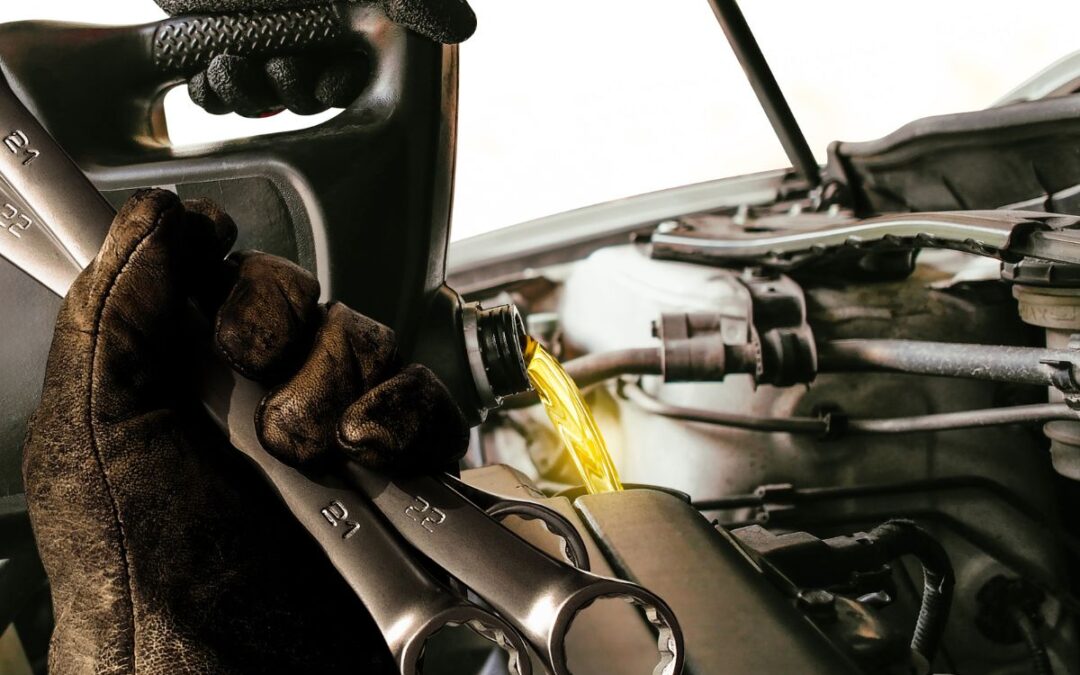
Keeping up with routine vehicle service is one of the best ways to avoid expensive repairs and unexpected breakdowns, especially for drivers in Texas. High temperatures, long highway drives, dust, and heavy traffic all place extra stress on engines, tires, brakes, and cooling systems. Following a consistent schedule for inspections and service helps your vehicle last longer and perform better in these conditions. Drivers who stay on top of regular service with professional auto maintenance at Adair & Sons often notice fewer problems, better fuel efficiency, and more reliable performance throughout the year.
Texas driving conditions are different from many other parts of the country. Summer heat can cause oil to break down faster, batteries to fail sooner, and cooling systems to work harder to keep engines from overheating. Long commutes and road trips also increase wear on tires, suspension parts, and brake components. Because of this, a strong maintenance plan is not just helpful, it is necessary for keeping your vehicle safe and dependable.
This guide explains what Texas drivers should know about routine auto maintenance, what services matter most, and how staying ahead of repairs can save time, money, and frustration.
Why Texas Driving Conditions Require More Frequent Maintenance
Vehicles in Texas deal with more heat exposure than in most other states. High temperatures affect nearly every system in your car, from engine oil to tire pressure. When heat builds up under the hood, fluids can thin out faster and rubber components can wear down more quickly.
Common problems caused by hot weather and long drives include overheating, worn belts, cracked hoses, weak batteries, and reduced tire life. Dust and pollen can also clog air filters and affect engine performance. Stop and go traffic adds extra strain on brakes and transmissions, especially in larger cities.
Routine inspections help catch these issues early. Small problems that are fixed right away are usually inexpensive, but ignored maintenance can lead to major repairs. Keeping a consistent service schedule helps prevent unexpected failures and keeps your vehicle ready for daily driving, road trips, and extreme weather.
Oil Changes and Fluid Service for Long Engine Life
Oil is one of the most important parts of your engine. It keeps internal components lubricated, reduces heat, and prevents metal parts from wearing out. In hot climates like Texas, oil breaks down faster because the engine runs at higher temperatures.
Most vehicles need an oil change every 3,000 to 5,000 miles with conventional oil, or every 5,000 to 7,500 miles with synthetic oil. Drivers who spend a lot of time in traffic or who drive long distances may benefit from more frequent service.
In addition to engine oil, other fluids should be checked regularly to keep the vehicle running smoothly. These include transmission fluid, coolant, brake fluid, power steering fluid, and differential fluid. Low or dirty fluids can cause overheating, slipping, hard shifting, or poor braking performance.
Routine fluid service keeps all systems working correctly and helps prevent damage that can be expensive to repair.
Cooling System Care for Texas Heat
The cooling system works harder in Texas than in most places. When outside temperatures stay high for long periods, the radiator, thermostat, water pump, and coolant must work constantly to keep the engine from overheating.
If the cooling system is not maintained, the engine can overheat quickly. Overheating can cause serious damage to gaskets, hoses, and internal engine parts. Replacing coolant at the recommended interval helps prevent corrosion and keeps the system working properly.
Drivers should also have hoses and belts inspected regularly because heat can cause rubber to crack or become brittle. A small leak or weak hose can turn into a major problem if it fails while driving.
Keeping the cooling system in good condition helps your vehicle run safely even during the hottest months of the year.
Tire Maintenance and Alignment for Texas Roads
Hot pavement, rough roads, and long highway trips all affect tire life. Tires that are not properly maintained wear out faster and can reduce safety and fuel efficiency.
Regular tire rotation helps tires wear evenly and last longer. Wheel alignment keeps the vehicle driving straight and prevents uneven tread wear. Tire balancing helps reduce vibration and improves ride comfort.
Drivers should also check tire pressure often, especially during temperature changes. Heat causes air pressure to increase, while cooler temperatures can lower pressure. Incorrect pressure can reduce traction and increase the risk of a blowout.
Keeping tires in good condition improves handling, braking, and overall safety.
Brake Service and Safety Inspections
Brakes are one of the most important safety systems on any vehicle. Texas driving often includes high speeds, heavy traffic, and sudden stops, which can wear brake pads faster than expected.
Signs that brakes may need service include squeaking, grinding, vibration, or a soft brake pedal. Ignoring these signs can lead to damage to rotors and other components, which makes repairs more expensive.
Routine brake inspections help make sure pads, rotors, and fluid are in good condition. Replacing worn parts early keeps stopping distance short and helps avoid dangerous situations.
Regular brake service is one of the simplest ways to keep your vehicle safe for daily driving.
Battery and Electrical System Maintenance
Heat is one of the biggest reasons car batteries fail in Texas. High temperatures cause battery fluid to evaporate faster, which reduces battery life. Many drivers are surprised when a battery fails with little warning.
Having the battery tested during routine service can help prevent unexpected problems. Terminals should also be cleaned to prevent corrosion, and charging systems should be checked to make sure the alternator is working correctly.
Electrical systems control many important parts of modern vehicles, including sensors, lights, and ignition components. Keeping these systems in good condition helps prevent starting problems and warning lights.
Replacing a weak battery before it fails can save time and prevent being stranded.
Air Filters and Engine Performance
Dust, pollen, and debris are common in many parts of Texas. These particles can clog engine air filters and cabin filters, which affects both performance and comfort.
A dirty engine air filter can reduce fuel efficiency and make the engine work harder. A clogged cabin filter can reduce air flow and make the air conditioner less effective.
Filters are usually inexpensive to replace and should be checked during routine maintenance. Clean filters help the engine run better and keep the interior air clean.
Keeping filters fresh is a simple way to improve performance and comfort.
Transmission and Drivetrain Service
The transmission is one of the most complex parts of a vehicle. It controls how power moves from the engine to the wheels. Heat and heavy driving can cause transmission fluid to break down faster, which increases wear on internal parts.
Regular transmission service helps prevent slipping, rough shifting, and overheating. Changing fluid at the recommended interval keeps the system lubricated and working properly.
Drivers should also have the drivetrain inspected if they notice vibration, noise, or difficulty shifting. Catching problems early can prevent major repairs later.
Proper transmission maintenance helps keep the vehicle smooth and reliable.
Seasonal Maintenance for Texas Drivers
Even though Texas does not have harsh winters in most areas, seasonal maintenance is still important. Summer heat puts extra stress on cooling systems and batteries, while cooler months can affect tire pressure and fluid levels.
A seasonal inspection should include checking fluids, belts, hoses, tires, brakes, and the battery. This helps make sure the vehicle is ready for changing conditions.
Drivers who travel often should also have their vehicle inspected before long trips. Preventative service reduces the chance of problems on the road.
Staying consistent with seasonal maintenance keeps the vehicle dependable all year.
Final Thoughts About Texas Auto Maintenance
Staying consistent with routine service is the best way to keep your vehicle safe, reliable, and ready for Texas driving conditions. Heat, long commutes, and rough roads can wear down parts faster, but regular inspections and timely repairs help prevent costly problems. Drivers who follow a proper maintenance schedule usually experience better performance, longer vehicle life, and fewer unexpected breakdowns. Scheduling professional auto maintenance at Adair & Sons helps make sure every system is checked, serviced, and ready for the road so you can drive with confidence in any season.
FAQ About Texas Auto Maintenance
How often should I service my car in Texas?
Most vehicles should be inspected every 5,000 miles, but drivers in hot climates may benefit from more frequent checks. Oil changes, tire rotations, and fluid inspections should be done regularly to prevent wear.
Does hot weather really affect my car that much?
Yes, high temperatures can cause oil to break down faster, batteries to fail sooner, and cooling systems to work harder. Regular maintenance helps prevent heat related damage.
What maintenance service is most important?
Oil changes, cooling system service, brake inspections, and tire maintenance are among the most important services. These keep the engine protected and the vehicle safe to drive.
Why do car batteries fail faster in Texas?
Heat causes battery fluid to evaporate and weakens internal components. This shortens battery life compared to cooler climates.
How do I know if my car needs an alignment?
If the vehicle pulls to one side, the steering wheel is not straight, or the tires wear unevenly, an alignment check is recommended.
Can skipping maintenance really cause major repairs?
Yes. Small issues like low fluid or worn belts can lead to expensive engine or transmission damage if ignored. Routine service helps prevent larger problems.