• Ads Icon  1001 Sam Bass Rd, Round Rock, TX, 78681

  • Ads Icon  1001 Sam Bass Rd, Round Rock, TX, 78681

  • Call Icon  (512) 255-2022
  • Call Icon  (512) 255-2022

Author: adairsons

The Ultimate Guide to Texas Auto Maintenance

Keeping up with routine vehicle service is one of the best ways to avoid expensive repairs and unexpected breakdowns, especially for drivers in Texas. High temperatures, long highway drives, dust, and heavy traffic all place extra stress on engines, tires, brakes, and cooling systems. Following a consistent schedule for inspections and service helps your vehicle last longer and perform better in these conditions. Drivers who stay on top of regular service with professional auto maintenance at Adair & Sons often notice fewer problems, better fuel efficiency, and more reliable performance throughout the year.

Texas driving conditions are different from many other parts of the country. Summer heat can cause oil to break down faster, batteries to fail sooner, and cooling systems to work harder to keep engines from overheating. Long commutes and road trips also increase wear on tires, suspension parts, and brake components. Because of this, a strong maintenance plan is not just helpful, it is necessary for keeping your vehicle safe and dependable.

This guide explains what Texas drivers should know about routine auto maintenance, what services matter most, and how staying ahead of repairs can save time, money, and frustration.

Why Texas Driving Conditions Require More Frequent Maintenance

Vehicles in Texas deal with more heat exposure than in most other states. High temperatures affect nearly every system in your car, from engine oil to tire pressure. When heat builds up under the hood, fluids can thin out faster and rubber components can wear down more quickly.

Common problems caused by hot weather and long drives include overheating, worn belts, cracked hoses, weak batteries, and reduced tire life. Dust and pollen can also clog air filters and affect engine performance. Stop and go traffic adds extra strain on brakes and transmissions, especially in larger cities.

Routine inspections help catch these issues early. Small problems that are fixed right away are usually inexpensive, but ignored maintenance can lead to major repairs. Keeping a consistent service schedule helps prevent unexpected failures and keeps your vehicle ready for daily driving, road trips, and extreme weather.

Oil Changes and Fluid Service for Long Engine Life

Oil is one of the most important parts of your engine. It keeps internal components lubricated, reduces heat, and prevents metal parts from wearing out. In hot climates like Texas, oil breaks down faster because the engine runs at higher temperatures.

Most vehicles need an oil change every 3,000 to 5,000 miles with conventional oil, or every 5,000 to 7,500 miles with synthetic oil. Drivers who spend a lot of time in traffic or who drive long distances may benefit from more frequent service.

In addition to engine oil, other fluids should be checked regularly to keep the vehicle running smoothly. These include transmission fluid, coolant, brake fluid, power steering fluid, and differential fluid. Low or dirty fluids can cause overheating, slipping, hard shifting, or poor braking performance.

Routine fluid service keeps all systems working correctly and helps prevent damage that can be expensive to repair.

Cooling System Care for Texas Heat

The cooling system works harder in Texas than in most places. When outside temperatures stay high for long periods, the radiator, thermostat, water pump, and coolant must work constantly to keep the engine from overheating.

If the cooling system is not maintained, the engine can overheat quickly. Overheating can cause serious damage to gaskets, hoses, and internal engine parts. Replacing coolant at the recommended interval helps prevent corrosion and keeps the system working properly.

Drivers should also have hoses and belts inspected regularly because heat can cause rubber to crack or become brittle. A small leak or weak hose can turn into a major problem if it fails while driving.

Keeping the cooling system in good condition helps your vehicle run safely even during the hottest months of the year.

Tire Maintenance and Alignment for Texas Roads

Hot pavement, rough roads, and long highway trips all affect tire life. Tires that are not properly maintained wear out faster and can reduce safety and fuel efficiency.

Regular tire rotation helps tires wear evenly and last longer. Wheel alignment keeps the vehicle driving straight and prevents uneven tread wear. Tire balancing helps reduce vibration and improves ride comfort.

Drivers should also check tire pressure often, especially during temperature changes. Heat causes air pressure to increase, while cooler temperatures can lower pressure. Incorrect pressure can reduce traction and increase the risk of a blowout.

Keeping tires in good condition improves handling, braking, and overall safety.

Brake Service and Safety Inspections

Brakes are one of the most important safety systems on any vehicle. Texas driving often includes high speeds, heavy traffic, and sudden stops, which can wear brake pads faster than expected.

Signs that brakes may need service include squeaking, grinding, vibration, or a soft brake pedal. Ignoring these signs can lead to damage to rotors and other components, which makes repairs more expensive.

Routine brake inspections help make sure pads, rotors, and fluid are in good condition. Replacing worn parts early keeps stopping distance short and helps avoid dangerous situations.

Regular brake service is one of the simplest ways to keep your vehicle safe for daily driving.

Battery and Electrical System Maintenance

Heat is one of the biggest reasons car batteries fail in Texas. High temperatures cause battery fluid to evaporate faster, which reduces battery life. Many drivers are surprised when a battery fails with little warning.

Having the battery tested during routine service can help prevent unexpected problems. Terminals should also be cleaned to prevent corrosion, and charging systems should be checked to make sure the alternator is working correctly.

Electrical systems control many important parts of modern vehicles, including sensors, lights, and ignition components. Keeping these systems in good condition helps prevent starting problems and warning lights.

Replacing a weak battery before it fails can save time and prevent being stranded.

Air Filters and Engine Performance

Dust, pollen, and debris are common in many parts of Texas. These particles can clog engine air filters and cabin filters, which affects both performance and comfort.

A dirty engine air filter can reduce fuel efficiency and make the engine work harder. A clogged cabin filter can reduce air flow and make the air conditioner less effective.

Filters are usually inexpensive to replace and should be checked during routine maintenance. Clean filters help the engine run better and keep the interior air clean.

Keeping filters fresh is a simple way to improve performance and comfort.

Transmission and Drivetrain Service

The transmission is one of the most complex parts of a vehicle. It controls how power moves from the engine to the wheels. Heat and heavy driving can cause transmission fluid to break down faster, which increases wear on internal parts.

Regular transmission service helps prevent slipping, rough shifting, and overheating. Changing fluid at the recommended interval keeps the system lubricated and working properly.

Drivers should also have the drivetrain inspected if they notice vibration, noise, or difficulty shifting. Catching problems early can prevent major repairs later.

Proper transmission maintenance helps keep the vehicle smooth and reliable.

Seasonal Maintenance for Texas Drivers

Even though Texas does not have harsh winters in most areas, seasonal maintenance is still important. Summer heat puts extra stress on cooling systems and batteries, while cooler months can affect tire pressure and fluid levels.

A seasonal inspection should include checking fluids, belts, hoses, tires, brakes, and the battery. This helps make sure the vehicle is ready for changing conditions.

Drivers who travel often should also have their vehicle inspected before long trips. Preventative service reduces the chance of problems on the road.

Staying consistent with seasonal maintenance keeps the vehicle dependable all year.

Final Thoughts About Texas Auto Maintenance

Staying consistent with routine service is the best way to keep your vehicle safe, reliable, and ready for Texas driving conditions. Heat, long commutes, and rough roads can wear down parts faster, but regular inspections and timely repairs help prevent costly problems. Drivers who follow a proper maintenance schedule usually experience better performance, longer vehicle life, and fewer unexpected breakdowns. Scheduling professional auto maintenance at Adair & Sons helps make sure every system is checked, serviced, and ready for the road so you can drive with confidence in any season.

FAQ About Texas Auto Maintenance

How often should I service my car in Texas?

Most vehicles should be inspected every 5,000 miles, but drivers in hot climates may benefit from more frequent checks. Oil changes, tire rotations, and fluid inspections should be done regularly to prevent wear.

Does hot weather really affect my car that much?

Yes, high temperatures can cause oil to break down faster, batteries to fail sooner, and cooling systems to work harder. Regular maintenance helps prevent heat related damage.

What maintenance service is most important?

Oil changes, cooling system service, brake inspections, and tire maintenance are among the most important services. These keep the engine protected and the vehicle safe to drive.

Why do car batteries fail faster in Texas?

Heat causes battery fluid to evaporate and weakens internal components. This shortens battery life compared to cooler climates.

How do I know if my car needs an alignment?

If the vehicle pulls to one side, the steering wheel is not straight, or the tires wear unevenly, an alignment check is recommended.

Can skipping maintenance really cause major repairs?

Yes. Small issues like low fluid or worn belts can lead to expensive engine or transmission damage if ignored. Routine service helps prevent larger problems.


Car Electrical Repair

Where to Fix Your Vehicle’s Electrical Wiring Issues in Round Rock

Do you notice that features like headlights or the ignition are no longer working like they used to? If so, then you probably have electrical wiring problems in your car that require some fixing. The electrical system and features play important roles in the safe and efficient running of any automobile.

If there is a problem in the electrical system it can lead to the illumination of a warning light that signals a problem, or even an inability to start up the car. While fixing electrical problems could sound complicated, many of the issues with electrical wiring in vehicles can be identified and solved with the right tools and techniques. Here’s a guide on some signs of electrical wiring problems and how you can fix them.

Symptoms Of Electrical Wiring Problems

  • Flickering Lights: If your car’s headlights or interior lights flicker or dim randomly, then you should know that there is a problem with the wiring. These problems include breaks in the wiring, faulty cables, or bad grounding areas which may cause fluctuations in supply causing fluctuating lighting.
  • Battery Problems: If your car’s battery dies quickly or doesn’t hold a charge, the wiring system of the car could be to blame. The battery may fail to charge or charge at a slow rate due to frayed wires.
  • Blown Fuses: A fuse blows when there is too much current passing through the electrical system and common causes of this are short circuits or wrong wiring.
  • Strange Smells: Fumes inside the car particularly those that emanate from the vehicle can be a sign that the wires are burnt as a result of damage or short circuits.
  • Non-Functional Accessories: Whenever your car radio, power window, or any other electrical system in your car fails to function, you can blame it on damaged or disconnected wires.

How to Rectify Your Car’s Electrical Wiring Issues

  • Start with the Battery: The battery is like a storage unit for the electricity your vehicle’s electrical system needs. To begin with, make sure the battery terminals are clean and not corroded. If there is any accumulation it should be gently wiped out and then ensure the connections are well tightened. Also, if your battery is older than three to five years, it may be time to replace it because batteries of that age may fail to charge properly.
  • Inspect the Fuses: Sometimes, when one of the fuses is blown, it impacts the entire system negatively. Look for the fuse box inside the car near the driver’s seat or engine compartment. Check for any fuse that looks burnt or damaged in any way and replace such fuse with an appropriate fuse of the same Amperage. If fuses continue to blow, this means that there could well be more serious problems within the car’s wiring system, it would be advisable to seek the services of a mechanic.
  • Look for Signs of Corrosion or Damage: Do a thorough check on your car, especially the visible wires, and look out for signs of corrosion, fraying, or any signs of damage. It is important to pay close attention to the region around the battery and the alternator. Corrosion should be washed off while cables that have been affected by the corrosion should be repaired or replaced.
  • Check for Loose Connections: Electrical systems are highly dependent on well-secured and well-connected joints. The vehicle’s movements normally exert a wearing effect on the contacts, which may result in occasional power problems after some time. Inspection should be made on connectors and plugs around the battery, fuses, and other parts of the vehicle. If you find a loose connection, then try to get it connected tightly and correctly.
  • Get Professional Diagnostics: If the issue cannot be identified or if your car has electrical problems after that, then you should go to a professional mechanic for a test. A professional technician has equipment that can be used to check your electrical system; diagnose the problem and fix it if need be.

Look No Further Than Adair & Sons Automotive for Your Car’s Wiring Issues

Welcome to Adair & Sons Automotive in Round Rock, TX where we offer electrical wiring diagnostic and repair services for all makes of vehicles. If you are facing any sort of electrical issues such as flickering lights, battery issues, and others do not think twice to call our team of experts. With our sophisticated diagnostic equipment and genuine components we can restore your car to its best performing state. Call to set an appointment with us today for professional and trustworthy service you can always rely on.

Car AC

Extending The Life of Your Car’s AC in Round Rock

Do you like entering a comfortably conditioned car interior during a very hot day? Your car’s air conditioning system is a lifesaver during the summer and is an important factor in the comfort of your car throughout the year. As with any other part of your car, it requires adequate care to ensure that it runs as required. Like any other system, your AC system may deteriorate gradually, which may lead to reduced cooling or even complete breakdown. The good news is that if you maintain your car well, then the AC can keep running for a long time without needing any repairs.

Tips To Make Your AC Last

  • Use Your AC Regularly: Even if the weather is not so hot, you should use the AC as often as you can to maintain the proper functioning of the system. Your AC should be run at least once a week, even in winter, to keep the compressor in good shape and prevent seals from drying out. If your AC is not run for an extended period, say several months, then the moisture in the system accumulates and can cause the system to leak or even lead to compressor failure.
  • Replace the Cabin Air Filter: This filter is responsible for removing dust, dust mites, spores and other particles from the air circulating in the car. But when it is dirty, it may hinder the flow of air and put pressure on the AC, shortening its life expectancy. Many manufacturers include the recommended replacement interval in the owner’s manual; however, a common guideline is to replace it after 12,000 to 15,000 miles.
  • Clean the Condenser: The condenser of your car’s AC is situated at the front of the car, behind the grille. It releases heat from the refrigerant and makes the system cool effectively. Road dirt, bugs, and other debris may block it, making it difficult for the AC to perform its function. It is recommended that the condenser be cleaned with compressed air or a simple rinse to avoid overheating and AC stress.
  • Use the Defrost Mode Frequently: The defrost mode does not only help remove fog from your car windows, but also serves as an excellent way of maintaining the AC system. When you switch on the defrost, it starts the operation of the AC compressor to clear moisture on the system and reduce chances of mold and mildew formation. The defrost setting should be run for a few minutes every couple of weeks to keep your AC smelling fresh and in good working condition.
  • Do Not Use the AC at Its Maximum Setting Right Away: As soon as you get into the car on a hot day, there is always the temptation to turn the AC on to its maximum setting. However, starting the AC on full blast puts an additional stress on the system. Instead, open a window for a few minutes to let out hot air before switching on the air conditioning. Then, begin with a low speed and gradually increase the speed of the fan. This relieves the pressure on the compressor, helping it last longer.
  • Pay Attention to Unusual Sounds or Odors: Your car’s AC should not make any loud noises and the air it blows should not smell. If you notice noises such as rattling or hissing, or if the air inside the cabin has a bad smell, then it means that something is wrong. An unpleasant smell usually suggests the presence of mold or bacteria within the vents, while strange sounds may signal a failing compressor or a refrigerant leak. It is important to fix these problems at an early stage to avoid major repair work.

Call Us For Your AC Maintenance And Repair

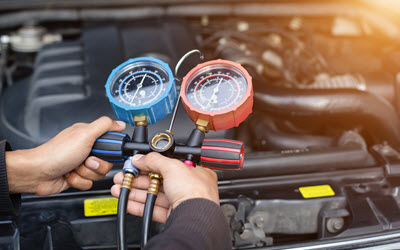
If your AC system is not blowing cold Car AC Repair air or if you wish to maintain it in good working condition, then Adair & Sons Automotive is at your service. Our Round Rock, TX technicians are well-trained and well-equipped in handling all your AC maintenance and repair needs to make your system functional throughout the year. We provide all types of AC services including refrigerant refilling and leakages, general AC system check and repairs. If you have a problem such as weak air flow, warm air blowing or any strange noises, do not hesitate to contact us for an appointment to have your AC back in its optimal condition.

Mercedes Vibration While Driving

Leading Garage In Round Rock To Handle Your Mercedes’ Differential Failure

While Mercedes is well known for being engineered for exceptional performance, comfort, and durability, even they aren’t immune to mechanical issues — and differential failure is one you definitely don’t want to ignore.

At Adair & Sons, we specialize in diagnosing and repairing Mercedes vehicles with precision and care, and we are aware of the seriousness of Mercedes differential failure. If you notice your Mercedes making strange noises, handling difficulties, or leaks near your wheels, it might be a sign that your differential needs attention — and that it’s a good idea to bring it over to us.

We proudly serve Mercedes drivers across Round Rock, Austin, and surrounding areas, providing dealer-quality service without the dealer price tag.

Here’s what we offer:

  • Differential Diagnostics & Repairs
  • Differential Fluid Changes
  • Complete Rebuilds and Replacements
  • Drivetrain and Suspension Repairs
  • Factory-Scheduled Maintenance
  • Full Mercedes Diagnostics
  • OEM Parts and Professional-Grade Repairs

Let’s dive into why differential issues happen, what signs to look for, and why Adair & Sons is the top choice for Mercedes repairs in Round Rock.

Differential 101

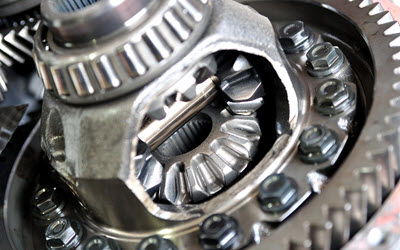
Your Mercedes’ differential plays a crucial role in how your car handles, especially when turning. It allows the wheels to rotate at different speeds while maintaining traction — a key factor in delivering that smooth, confident driving experience Mercedes owners expect.

If the differential fails, you could face serious issues like:

  • Tire wear
  • Handling instability
  • Strange grinding or clunking noises
  • Leaks around the axle area
  • Complete drivetrain failure if left untreated

Essentially, the differential keeps your power flowing smoothly to the wheels and helps you stay safely in control.

Signs Your Mercedes Differential Might Be Failing

Your differential is a critical component in your Mercedes, and early failure detection is crucial to avoid expensive damage. Watch out for the following warning signs:

  • Whining or howling: This is a classic differential failure sign. If you hear a strange whining or humming when you accelerate, you should get your Mercedes checked.
  • Clunking or banging noises: Loud clunks, especially when shifting from drive to reverse or during sharp turns, are usually a sign that your gears or mounts inside the differential are worn out.
  • Vibrations while driving: If you notice your Mercedes vibrating while driving, it can be a sign of a bad differential.
  • Fluid leaks: Fluid leaks can signal many problems, one of them being differential seal leaks.

Why Differentials Fail

Differentials are designed to be durable, but they’re not invincible. Common causes of differential failure include:

  • Lack of Maintenance: Skipping differential fluid changes can cause gear and bearing wear.
  • Contaminated Fluid: Dirt or water contamination breaks down lubrication, leading to metal-on-metal wear.
  • Normal Wear and Tear: High mileage or frequent hard driving (especially in performance models) can speed up wear.
  • Accidental Damage: Hitting potholes, curbs, or getting into accidents can damage the differential housing or internals.

The good news? Most differential issues are highly repairable when caught early, and that’s where we come in.

Why Choose Adair & Sons For Your Mercedes Differential Repair?

Mercedes is designed with peak German technology and engineering to provide the smoothest performance a car can deliver, which also means it requires delicate and specialized care. At Adair & Sons, that’s exactly what we deliver.

Our technicians are highly trained in all Mercedes systems and only use factory-level diagnostic equipment to accurately pinpoint issues and give you the service you deserve. We also make sure to only use OEM or equivalent parts, ensuring your Mercedes maintains its original performance and reliability.

We are a proud family-owned business with a deep history in Round Rock. We value honesty and transparency, and your satisfaction is always our top priority.

Frequently Asked Questions About Mercedes Differentials

How much does it cost to fix a Mercedes differential?

It depends on whether you need a fluid service, a minor repair, or a full rebuild/replacement. We’ll perform a detailed inspection and provide an upfront estimate before any work begins.

Can I drive my Mercedes with a bad or failing differential?

We definitely don’t recommend it. A failing differential can lead to unsafe handling and cause further damage to your transmission or axle components. In the long run, this can result in much more expensive repairs.

How often should the differential fluid be changed?

For most Mercedes models, we recommend changing the differential fluid every 40,000 to 60,000 miles, but it’s best to check your owner’s manual or ask our team for model-specific advice.

Where We Serve

We proudly serve Mercedes drivers throughout:

  • Round Rock
  • Austin
  • Cedar Park
  • Georgetown
  • Pflugerville
  • Hutto
  • And surrounding areas

Mercedes Differential Service In Round Rock

If your Mercedes shows signs of Mercedes Differential differential trouble, don’t wait for it to get worse. Bring it to Adair & Sons, Round Rock’s trusted German vehicle experts, and experience the difference true craftsmanship makes.

Volkswagen Engine Overheating

Top Round Rock Shop For Your VW’s Coolant Temperature Sensor Replacement

A faulty coolant sensor in your Volkswagen may not sound like a big deal, but it can lead to the overheating of your engine. If this sensor failure is detected in its early stage, it would save your engine from being strained, and the best part is that replacing it is relatively cheap. Let’s see what this sensor does and how you can replace it to keep your VW running smoothly.

What Does the Coolant Temperature Sensor Do?

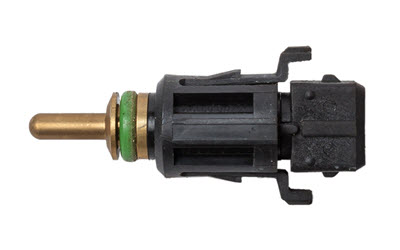
The coolant temperature sensor is a component designed to measure the temperature of the coolant in the engine. It provides real-time temperature information to the car’s ECU that in turn controls the fuel/air mixture, the ignition timing, and switches on the cooling fan whenever necessary. If the temperature is high, the sensor signals the system to switch on the cooling fan. It also informs the temperature gauge on the dashboard what to show. Without the help of a properly functioning sensor, the car has no way of determining the true temperature of the engine, which is a bad thing.

Common Signs of a Bad Coolant Temperature Sensor

  • Wrong Temperature Display: There are a number of symptoms that point to a faulty coolant temperature sensor and one of them is an erratic temperature reading. The reading can remain in the cold region even when all parts of the car engine are hot, it can rise to hot suddenly, or fluctuate between cold and hot irregularly.
  • Overheating Engine: In some cases, a completely failed sensor may not even turn the fan on at all. If the engine overheats because of this, it may lead to serious and expensive consequences if it is not addressed promptly.

How To Diagnose A Failing Coolant Sensor

When diagnosing a faulty coolant temperature sensor, the first step that most technicians would take is to connect a scan tool to check for codes stored in the ECU. These codes assist in identifying the problem and in determining if the sensor is sending the wrong signals. Also, the voltage and resistance of the sensor may be measured using a multimeter. A good sensor should respond to the increase in engine temperature by changing its resistance in a measurable way. If the reading remains constant or does not change with temperature, this is a clear indication that the sensor requires replacement.

How the Sensor Is Replaced

To replace a coolant temperature sensor, there are several procedures that need to be followed.

  • Letting the Engine Cool: The first step involves allowing the engine to cool because the sensor is attached to the cooling system and if one tries to remove it while hot, he or she is likely to be burned by hot coolant or steam.
  • Locating and Removing the Old Sensor: After the engine has cooled down, the technician then identifies the position of the sensor, which is normally fixed on the thermostat housing or on the cylinder head based on the model. To access it, the electrical connector is disconnected and then the sensor is unscrewed and pulled off. It is also often advisable to replace the sealing O-ring during this process to prevent such leakage in the future.
  • Installing the New Sensor and Testing: Before the new sensor is installed, the area is prepared by wiping it, and any previous sealant or debris is cleared. The new sensor is then placed back and tightened to the recommended torque. Once the coolant is added and any trapped air bled out of the system, the car is started to confirm the functionality of all systems and the accuracy of the readings on the dashboard.

Bring Your Volkswagen To Adair & Sons Automotive For Coolant Sensor Replacement

Volkswagen owners in Round Rock, TX, Volkswagen Coolant Temperature Sensor and nearby communities can trust Adair & Sons Automotive for reliable, honest repairs when coolant temperature sensor problems occur. Our team of professionals has extensive experience in working with German vehicles and understands the exact measures required to solve this common issue before it escalates into a bigger issue. Whether you want a simple sensor change or a complex cooling system test, our mechanics will ensure your VW is handled in the best way. Come to our workshop in Round Rock and let our professional mechanics fix your VW and make it run as it should – calmly, smoothly, and without any problems.

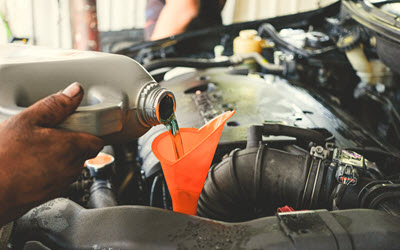
Car Grinding Gear Problem

How to Deal with Grinding Gear Problems When Driving

Gear grinding problems are a major cause for concern for many car owners. One minute you are enjoying a smooth ride in your car, and the next minute, you hear disturbing sounds when you try to change the gear. The gears are an important system that allows you to control your car’s speed.

Like many other components, the gear system can run into problems, and one of the major signs of an issue is a disturbing grinding sound. In this guide, we will help you understand the causes of gear grinding issues when driving, and how to deal with the problem.

Common Causes of Grinding Gear Problems

The gears are an essential part of the transmission system, and they help you control speed and torque when driving. Gears cannot work, though, without other transmission components such as the clutch (which engages and disengages from the engine for smooth gear shifts). If any of these components fail, then you may experience gear problems in your car.

Some of the major causes of grinding gears are;

Faulty Clutch

As mentioned above, the clutch plays a crucial role in engaging and disengaging the engine from the transmission. However, the clutch could wear out over time, or it could get damaged due to unfavorable conditions. This could lead to improper disengagement of the transmission from the engine, leading to the grinding sounds you hear from your car’s gears.

Damaged Synchronizers

Synchronizers, or synchros, are also essential components of the transmission. They help to match the gear speed as you shift. When they get faulty, they could also make it difficult to change gear and may cause grinding sounds when you try to change the gear.

Low Transmission Fluid

The transmission system needs an adequate supply of transmission fluid to help lubricate its moving parts and also cool the system down. If your car ever gets low on transmission fluid, then there will be an increase in friction between moving parts, which could cause grinding noise. You could also have this issue if you use low-quality or contaminated transmission fluid.

How to Handle Grinding Gear Problems in Your Car

Once your car starts making grinding sounds when you try to shift the gear, it is an indication of a problem with the gears or the larger transmission system. Ignoring this can lead to serious issues, and also put your car at a safety risk.

It is best to deal with the situation immediately. Here are some steps you should take to handle your car’s grinding gears;

  1. Inspect the gearbox and the transmission for any sign of wear or damage. You should also pay attention to when the grinding occurs—while accelerating, decelerating, or shifting to a particular gear.
  2. Check the transmission fluid and refill when it reaches less than an optimal level, and you should also change the fluid if you notice that it has been contaminated. Make sure that you only use high-quality or factory-approved transmission fluids.
  3. Improve your driving. Poor driving habits like rough gear shifting or not engaging the clutch fully can be the reason for your car’s grinding gear issues. If you improve your driving technique, you can make your gear-shifting process smoother and avoid grinding problems.
  4. Visit a qualified mechanic. If you notice that the grinding gear problem persists in your car even after filling the transmission fluid, improving your driving, and adjusting the clutch pedal, it means you need to get professional help. Get your car down to a mechanic immediately to avoid further complications.

The Top Automobile Care Center in Texas for Your Car

Grinding gear problems can easily Car Transmission Fluid Filling transform from a minor issue into a major problem in your car if you do not give it immediate attention. As soon as you have done the steps above without improvement, you need to get your mechanic involved.


Adair and Sons is an expert automobile care center in Round Rock, TX, and we offer advanced care and repair services for Import and German vehicles. Whether your car needs a maintenance check, or more complex repairs, we have what it takes to help get your car back to its best shape. Our technicians have years of expert training and experience, and we also have sophisticated equipment to help solve any problem.

Car Touchscreen Freezing

Tips To Detect Software System Glitches In Your Car

Modern cars are equipped with complex software systems that control everything from engine performance to safety features, entertainment, and navigation and you can end up with system glitches. As cars have become more technologically advanced, the role of software in vehicle operation has grown substantially. While this advancement brings many benefits, it also means that diagnosing and fixing software glitches in your car can sometimes be tricky. Software system glitches can affect the overall performance of your vehicle and detecting them early can save you from bigger problems that can leave you stranded on the side of the road.

Common Signs of Software System Glitches

The last thing you want is to hop in your car after watching a minor league baseball game and find that when you try to use the touchscreen, it won’t work. You might notice anything from the touchscreen freezing to it crashing over and over. Any of these problems can be caused by outdated software, corrupted files, or compatibility issues with other devices.

Many modern cars come with advanced driver assistance systems (ADAS) such as lane departure warnings, automatic braking, adaptive cruise control, and collision detection. These features need updated software to function properly, and glitches can lead to erratic or malfunctioning behavior. It can feel like you are suddenly taken over by AI bots, but rest easy – it’s more likely a software issue.

Software glitches can also affect a vehicle’s engine control unit (ECU), leading to performance issues. You may find it takes you a lot longer to get to Music on Main all of a sudden because your car isn’t accelerating like it should or it’s stalling out.  The ECU controls important aspects of engine performance and if there is a software glitch in this system, it can slow you down and make you late to those concerts!

Modern cars, especially electric and hybrid vehicles, rely on software to control battery charging and energy distribution. If there’s a glitch in the software, you might find that your battery isn’t getting charged fully – and you could even find yourself stuck with a vehicle that won’t start.

If your car’s software is constantly rebooting or restarting, it’s not doing it for fun – it’s calling for attention. It can be more than frustrating if you find the system is turning on and off on its own while you are trying to use it.

Diagnosing and Fixing Software System Glitches

Many software glitches can be taken care of by simply resetting the vehicle’s system. This can often be done through the settings menu or by pressing a specific combination of buttons, depending on your vehicle’s make and model. A system reset can help clear temporary software bugs and restore normal functionality.

Just like any other technology, vehicle software needs to be updated regularly to fix bugs, improve performance, and add new features. Outdated software is one of the most common causes of glitches in a car’s system.

You might also find that the software glitches that are happening in your car are caused by bigger problems than just a simple reset or update. You can have issues with malfunctioning sensors or faulty wiring.

In some cases, cached data from your vehicle’s systems can cause glitches. This is most common in infotainment systems that store data about your preferences and connected devices. Clearing the cache can help resolve issues caused by corrupted or outdated data.

Working With A Professional

If you’ve tried all the troubleshooting steps Car Software Update and you are still having problems, it’s time to have a professional mechanic diagnose and fix the issue. Adair and Sons in Round Rock, TX has a great team of mechanics that can help you get your system back up and running the way it should. Our team will run a comprehensive diagnostic scan to identify the root cause of the problem and then we can take care of all repairs.

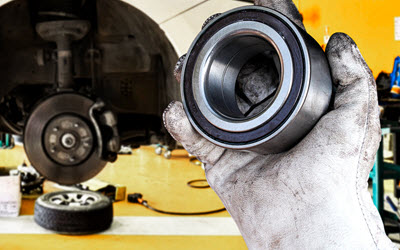
As vehicles become increasingly reliant on software, detecting and fixing software system glitches has become an essential part of vehicle maintenance. Recognizing the signs of a glitch early and addressing it promptly can prevent more serious issues from developing. At Adair and Sons, we are experts in diagnosing and repairing software glitches in all types of vehicles. We can get your vehicle running smoothly so you can get behind the wheel without a worry!

Mini Front Wheel Bearing

Where To Go In Round Rock For Your Mini’s Front Wheel Bearing Replacement

Your Mini’s front wheel bearings shouldn’t be overlooked; a failed one can be a significant safety hazard, unsafe handling while driving and increased stopping distances can happen, and not replacing them in time can even lead to a catastrophic conclusion (that is, losing the wheel while driving). If driving is accompanied by odd noises/vibrations, visiting a specialist for a Mini inspection and wheel bearing replacement is recommended.

What Happens When a Front Wheel Bearing Fails?

Simply put, your Mini’s front wheel bearings allow smooth wheel rotation and stability. These greased, sealed bearings are generally simple to inject grease into but eventually wear out with use and exposure to road conditions.

Gold standard symptoms of failing wheel bearing are:

  • Grinding or humming sounds: If you hear a growling or whirring sound that changes with speed, your wheel bearing could be starting to fail.
  • Choppiness or vibrations when steering: If the steering wheel shakes or is uneasy, particularly at high speeds, it may be a worn bearing.
  • Uneven tire wear: A faulty bearing can result in misalignment, leading to uneven tire wear.
  • Wobbling or loose wheel: If, when jacked up, you feel your wheel is loose and moves side to side, it could mean the bearing is worn out.
  • ABS issues: If your Mini’s ABS warning light illuminates, a faulty bearing could be causing problems with the ABS sensor.

Neglecting these symptoms and not getting your power steering problems checked can be hazardous, as the wheel can lock up or fall off while the car is in motion. That’s why addressing the issue  as soon as you start seeing any of these warning signs is essential.

Why You Shouldn’t Delay Front Wheel Bearing Replacement

The risks of waiting until the wheel bearing fails are serious. Here is what can happen when you continue to drive with a bad wheel bearing:

  • Loss of Control: A lousy wheel bearing reduces your Mini’s ability to steer, which can be particularly dangerous when traveling at speed on the highway or when performing an evasive maneuver.
  • Increased Brake Wear: The uneven movement due to a damaged bearing might not help your brakes and can eventually lead to rapid wear of your brakes, which will require expensive repairs.
  • Heat Accumulation and Possible Wheel Lock-Up: As the bearing loses strength, heightened friction can produce excessive heat, possibly causing the wheel to lock up completely.
  • Damage to Other Components: Failure to address a fault bearing can potentially damage associated components, including the wheel hub, axle, or even suspension systems.

Trust Adair & Sons for Your Mini’s Front Wheel Bearing Replacement in Round Rock, TX

When a front wheel bearing replacement becomes necessary, you want a know-how shop familiar with a Mini’s particulars. Rest easy. Your car is in good hands.

Our technicians are already familiar with Mini’s unique engineering and are equipped to diagnose and replace your wheel bearings quickly and correctly. When you choose us for your clutch replacement, you can rest assured that we only use the highest-quality replacement parts for lasting durability and performance.

Why Choose Us?

  1. Specialized Knowledge: You can trust that every Mini technician on our team is highly skilled and specially trained to meet your automobile’s needs. We know how Minis are engineered, from their compact stature to their performance-driven underpinnings. With years of hands-on experience, we accurately diagnose issues and implement manufacturer-recommended solutions. From wheel bearings and suspension to engine components, we use precision and expertise to keep your Mini running smoothly and efficiently.
  2. State-of-the-Art Equipment: We have the latest diagnostic technologies and specialized tools for each Mini to perform accurate and efficient replacements. They have advanced scanners so we can identify the issues with precision, cutting costs and time wasted on guesswork. We also repair other items associated with using technologically advanced tools, which means your practical wheel bearing replacements are done with severe precision and factory standards. Therefore, your automobile will continue functioning optimally for an extended period. You get world-class service powered by state-of-the-art technology with us.
  3. Customer-Centric Service: Your safety and satisfaction are of utmost importance to us. However, all of our work is explained personally—there are no unnecessary operations without an explanation. There are no sales upsell—just clear recommendations based on your Mini. Our helpful staff provides personal service and answers any questions, so you leave knowing your vehicle will perform at its best. We promise to treat you respectfully, honestly, and professionally on each visit.
  4. Convenient Location: As your trusted Mini dealership in Round Rock, TX, we proudly serve Mini owners in Georgetown, Pflugerville, Cedar Park, and the surrounding areas. It’s easy to swing by our shop to drop off your car for expert service. Whether you commute every day or own a Mini you are proud of, we provide local, reliable service to keep your vehicle running great! Stop by us today and get a local Mini service!

Schedule Your Mini’s Wheel Bearing Replacement Today

Don’t wait for a small problem to Mini Front Wheel Bearing Replacement become a significant safety hazard. If you think your Mini’s front wheel bearing is failing, make an appointment at Adair & Sons in Round Rock, TX. Our pros can inspect your car and replace it if necessary. Your Mini will stay safe, smooth, and sound for miles with our trained mechanics.

Contact us or visit our site to book your appointment today!

Car Starting Issue

The Most Common Causes of Starter Motor Failure in Cars

Have you ever inserted the key and twisted it, pressed the start button, and got only a clicking sound, or did the engine take some time before starting? This could be due to a faulty starter motor or any other reason that requires a mechanic to diagnose and fix.

The starter motor is an electrical device that assists in starting a car’s engine. When the key is turned or the start button is pressed, the battery transfers electrical energy to the starter motor, and the latter engages the flywheel. This pushes the engine’s crankshaft, enabling the commencement of the combustion process. After the engine has started, the starter motor will shut off by itself. When it begins to fail, you may be stuck with a non-starting car at the most inconvenient time possible.

What Makes The Starter Motor Fail

  • Worn-Out Starter Motor Parts: Like any other part of a car, the internal parts of the starter motor may wear out due to usage. The brushes, bearings, and armature within the motor are susceptible to high friction and electrical current, which may cause them to fail. If the above components are worn out, the starter may have difficulty engaging or cranking the engine, and you will be stuck with a non-starting car.
  • Weak or Dead Battery: The starter motor depends on the battery to provide the necessary power to crank the engine. If the battery is weak, damaged, or dead, the starter motor will not be supplied with enough current to turn over the engine. This often results in a clicking sound when you attempt to start the car or, in some cars, total silence. A check on the battery condition and charge will help identify whether the problem is from the starter motor or the battery.
  • Starter Solenoid Problem: The solenoid is an essential component of the starter assembly, passing current from the battery to the starter motor. If this solenoid is faulty, it can prevent the motor from engaging, and you will be unable to start your car. Signs of a bad starter solenoid include a single-click sound when turning the key or no sound at all.
  • Ignition Switch Issues: If there is an issue with the Ignition switch, it will not relay the signal to the starter motor when you turn the key. This can cause problems like the car starting and stopping or even complete failure to start. Sometimes, a faulty ignition switch manifests symptoms similar to those of a faulty starter motor, so a correct diagnosis must be made to get the right component repaired.

How to Prevent Starter Motor Issues

Even though it is not possible to totally prevent a starter motor from failure, you can actually minimize the chance of failure through proper car maintenance. Your car’s battery should always be in the best condition because a weak battery can put the starter motor under additional pressure. It is also important to inspect wiring frequently and ensure that all the connections are solid to avoid any electrical problems. Another way to increase the lifespan of the starter is to avoid short travels that involve many starts and stops. If your car starts to produce a slow cranking sound, clicking sound, or erratic starting, it is advisable to have the car checked in order to prevent it from a total breakdown.

Get Professional Assistance From The Mechanics At Adair and Sons

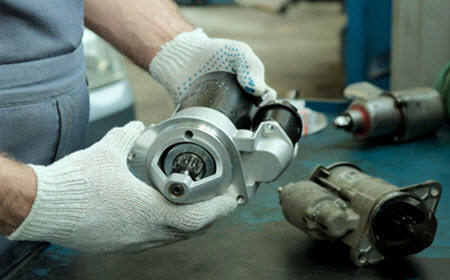
At Adair and Sons, we know that a Car Starter Motor Check faulty starter motor can be a real inconvenience. We have a team of highly qualified mechanics in Round Rock, TX, who are capable of handling all problems related to starter motors so that your car starts without hitches.

Whether you have a faulty starter motor or any other part of the ignition system is faulty, we have the technical competence to get you back on the road in no time. We also extend our services to drivers within the neighboring regions, providing quality services that meet the client’s expectations. Talk to our experts today, and we’ll get your car running like new.

Car Tire Wear

Tips to Fix Tire Wear and Wheel Alignment Issues

Have you been experiencing irregular wear on your tires or do you feel that your car is pulling towards a certain direction? If so, it is possible that your wheel alignment is off and if you do not get it fixed, you will be putting yourself and the other users of the road in dangerous situations.

Tires are one of the most vital components of the car, so maintaining them in the right way will lead to better and more efficient performance on the road. However, many drivers do not pay much attention to the wear and alignment of tires until the situation gets out of hand.

Common Causes of Tire Wear

  • Poor Wheel Alignment: As the name suggests, it means that the wheels are not aligned in a proper manner and the tires are not in good contact with the road. This makes one side of the tire wear out faster than the other and leads to an imbalance in the tread depth of the tire which results in rough handling.
  • Wrong Tire Pressure: If your tires are overinflated or underinflated, they will not wear evenly on the road. When the tire pressure is low, the contact area spreads to the edges of the tire and wears them out quickly, while high pressure leads to the center of the tire wearing out quickly.
  • Worn Suspension Part: The suspension system is mainly responsible for maintaining the stability and balance of the vehicle. If the shocks, struts, or ball joints wear out, they are likely to cause the tires to lose contact with the road in an uneven manner, causing irregular wear.
  • Failure to Rotate Tires: Tires wear out differently on all four wheels of a car. Front tires are used more in steering and braking and therefore, they wear out much faster than the rear tires. Tires should be rotated in a regular manner so that they wear evenly.

Fixing Tire and Wheel Alignment Issues

  • Correct Your Car’s Alignment: The best way of fixing alignment issues is to have a professional mechanic to work on the wheels. Correct positioning of a car’s wheels helps the tires to have equal and adequate contact with the road surface, thus increasing the tire’s lifespan and the car’s maneuverability.
  • Maintain Correct Tire Pressure: Correct tire pressure is very important and varies with temperature and other conditions of driving. It is recommended that you check tire pressure at least once a month and ensure that it is set at the manufacturer’s recommended PSI which is usually written on the driver’s side door or in the car manual. Does your car have low pressure? Add air to reduce wear and tear on the edges. If it has high pressure then it is important to let out some air to prevent it from wearing out quickly.
  • Rotate Your Tires Often: Since the front and rear tires wear out at different rates, the only way to ensure that they wear evenly is by rotating them. Some people suggest that it is good to interchange the position of your tires every time you are changing the oil.
  • Check Shocks, Struts, and Control Arm: Damaged shocks, struts, and control arms will lead to alignment problems as well as uneven wearing of the tires. If your car vibrates or your tires are worn out in certain areas, it is recommended that you take your car to the repair shop for a suspension system check up.
  • Balance Your Tires: Sometimes, the steering wheel of your car shakes only when you’re driving at high speeds and this may be as a result of your tires needing balancing. Balancing of tires helps to reduce the chances of wearing the tires unevenly and also enhances the quality of the ride. It is advisable to balance your tires every time you rotate them in an effort to enhance the performance of the car.

Maintain Your Tire Health with Adair and Sons

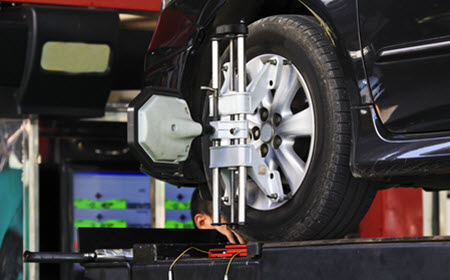
Correcting any wear and tear problems on Car Wheel Alignment the tires as well as wheel alignment is not only economical in terms of the tires but also makes the car safer on the road. Maintenance such as alignment, rotation and pressure checks are some of the routine activities that can always be done to help avoid expensive repairs later.

Adair and Sons in Round Rock, TX provides wheel alignments and tire services for smooth driving of vehicles.  For any kind of car services ranging from alignment, inspection services, and suspension services, we are here for you. Visit us today and make sure that your tires are in the best condition as they should be.

×

Licensed Used Car Dealer

CALL NOW