• Ads Icon  1001 Sam Bass Rd, Round Rock, TX, 78681

  • Ads Icon  1001 Sam Bass Rd, Round Rock, TX, 78681

  • Call Icon  (512) 255-2022
  • Call Icon  (512) 255-2022

Author: adairsons

Car Timing Chain

Top Car Repair Shop in Round Rock for a Faulty Timing Chain

Every car needs all its parts to work together as one in a bid to run efficiently. Once a car part fails to work, its failure can affect other car parts, leading to a huge problem that can affect the overall function of the car.

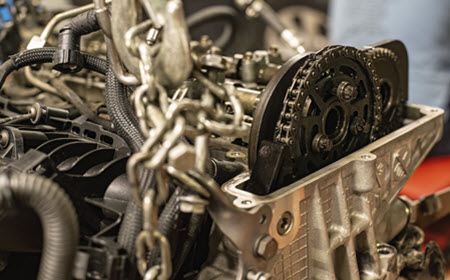
The timing chain in a car’s engine is a perfect example. This chain functions by regulating the opening and closing of engine valves in coordination with firing pistons; thus, synchronizing movement between two engine parts. Any fault in this chain can disrupt the engine’s system and lead to severe complications.

Common Reasons Why a Car’s Timing Chain Fails

The timing chain in a car can get faulty for various reasons. Some of these reasons are below.

Engine Wear & Tear

The engine, where the timing chain of a vehicle is located, is usually subjected to both thermal and physical stress. This stress is due to the energy-intensive work that the engine does and it exposes the engine and other close parts (including the timing chain) to damage from wear and tear. Hence, the chain may break from consistent pressure or stress.

Poor Maintenance

Your car deserves adequate maintenance services to keep it in great shape at all times. However, when parts like the timing chain are not well looked after, they can get faulty and cause serious damage to other engine parts.

Engine maintenance involves routinely changing the engine oil and ensuring oil quality. If this is not done, the timing chain can get affected as engine oil is needed to keep the chains lubricated so they do not get damaged.

Rough Driving

While timing chains are a better and more effective replacement to timing belts, which break much more easily, they are still susceptible to damage. One of the ways in which a car’s timing belt can get damaged and then fail is when a driver moves the car roughly, causing the chains to stretch extensively to keep up with the increased force and then break.

How to Know if Your Car’s Timing Chain is Faulty

You should be able to recognize signs of failure in your car’s timing chain as it helps you take immediate action before things get worse. Here are some signs to look out for;

1. Rattling Sounds

The most common sign of a damaged timing chain is a rattling sound from the engine. If your car makes such sounds, it indicates that the timing chain could have broken off and the loose ends are rattling while your car moves.

2. Engine Oil with Metal Contaminants

If you regularly inspect your engine and its fluid levels, then you can easily recognize when there is an issue. Contaminated engine oil is a sign of a faulty timing chain especially when the contaminants are metal scraps.

If a faulty timing chain breaks off after damage, it can fall into the engine oil, contaminating it. This could lead to serious engine faults if not properly addressed.

3. Engine Misfiring

The timing chain is necessary to help keep the engine running smoothly. If this chain is damaged or broken, then engine efficiency drops and the car starts to face some problems. Hence, a problem with the engine’s function such as an engine misfiring or rough running can indicate that there is a faulty timing chain.

4. Check Engine Light

If you notice that your car’s check engine light has always been on, it shows that the engine is faulty and it could be due to a faulty timing chain. However, you need a professional to help ascertain the condition.

Repair & Auto Service Shop in Round Rock to Fix Faulty Timing Chain

To save your car from further damage, you Car Timing Chain Check should find an immediate solution to any fault in your car’s timing chain. The best way to do this is to take your car down to a trusted mechanic’s shop so they can effectively diagnose the cause of the problem and find a lasting solution.
Adair and Sons is one of the best automobile maintenance and repair shops in Round Rock. We offer exceptional services by paying attention to detail and fixing any issue that comes up with your car. If your car’s timing chain is faulty, we can look into it and find a better replacement. We also offer preventive maintenance services to help ensure that problems like this do not catch you unaware on the road.

Blue Lexus Car

Where Should You Go for Electronic Issues in Your Lexus?

Your Lexus has many electrical components, including spark plugs, starter, alternator, and battery. They work together to power your vehicle safely and efficiently. However, it just takes one part of your electronics to fail to impact the safe and efficient operation of your vehicle. Here, we look at common electronic issues in your Lexus and where you should go to correct them.

What are Common Electronic Issues in a Lexus?

Some of the most common electronic issues in a Lexus include:

Faulty alternator

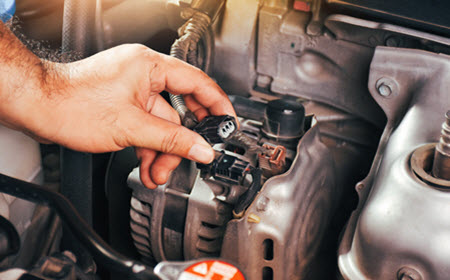
If you have trouble starting your Lexus, experience dimming headlights while you drive, or have a battery warning light come on, these are classic signs you have a faulty alternator. You might also notice some unusual sounds, such as squealing, grinding, or rubbing noises. If you notice any of these signs, a faulty alternator does present potential safety hazards including issues with your steering and risk of stalling. Therefore, you should visit an auto shop specializing in Lexus maintenance and repairs as soon as possible.

Malfunctioning starter

A malfunctioning starter is often first noticeable as a grinding noise in the ignition but will eventually cause no response when you try to start the car.

Dead or dying battery

If you find your engine is slow, or there are general functions not working, from your radio to your interior lights and power windows, this is a sign your battery is dying. If your car won’t start at all, this is a sure sign your battery is dead.

Wiring issues

Intermittent electrical failures such as flickering lights can indicate a battery issue but could also be related to wiring issues.

Door lock mechanism failure

When your door locks fail you can’t get into your vehicle or keep your vehicle safe by locking it when not in use. This could be a sign the actuator needs replacement.

Headlights not working

Failing headlights could be related to a burned-out bulb but is more likely a blown fuse in the headlight circuits.

Radio not working

Although a failing radio doesn’t seem dangerous, it could indicate an issue with your Lexus electrical systems.

Where to Go for Electronic Issues in Your Lexus

Your Lexus requires an experienced automotive team offering the following:

  • Specialized Lexus Repairs: Your Round Rock auto shop must specialize in Lexus repairs to ensure the right parts are used, and the staff are updated on the latest innovations in Lexus technology and design. This will ensure your car maintains its value and safe operation for years to come.
  • ASE-Certified Technicians: You should only allow certified technicians to work on your vehicle. They have the training and knowledge required to address electronic issues on a complex vehicle such as a Lexus.
  • Top-Notch Facility: Your Lexus automotive shop should have dealership-grade equipment so that your Lexus gets repaired without compromise.
  • Modern Diagnostics: Your auto shop must be equipped with the latest in modern diagnostics to quickly and accurately identify issues to make all necessary repairs.

Adair & Sons offers Lexus Alternator Inspection all these things and more so you can feel confident your Lexus electronic issues are diagnosed and repaired with precision.


Don’t wait, don’t worry. Secure your peace of mind and keep your car in top shape by booking your auto service appointment with Adair & Sons today in Round Rock, TX.

* Blue Lexus Car image credit goes to: trangiap.

Subaru XV Car

When Should I Replace My Subaru’s Fuel Tank Screen Filter?

Fuel filters screen tiny particles in fuel and your fuel tank that can enter your engine and cause early wear and tear of your Subaru’s components. Debris, such as tiny rust particles, are very damaging to your engine, which is why it’s critical to replace your Subaru’s fuel tank screen filter before it clogs. Let’s look at the importance of following Subaru’s recommendations on fuel tank screen filter replacement to keep your engine operating at peak performance.

Why are Fuel Tank Screen Filters Replaced?

Fuel filters get clogged with impurities over time, including bits of rust and dirt. The filters’ job is to remove these impurities before they get pumped from your fuel tank into your engine. If the debris gets into your Subaru’s engine components, it will start to wear them down, leading to damage and possible engine failure.

Although fuel companies do help prevent dirt and rust buildup from getting into their fuel supplies, as your Subaru’s fuel tank ages, it will have a buildup of dirt and moisture that can lead to corrosion over time. Your screens also protect other critical components of your Subaru, including the fuel injectors and pump.

How Often Should Subaru Fuel Tanks Screen Filters Be Replaced?

Recommendations vary from every five years/50,000 miles for frequently driven vehicles to every 72 months/72,000 miles for less frequently driven vehicles. For example, if you just drive your Subaru around town for daily errands, the 72-month rule works, whereas if you commute to work every day or travel often for work, the 5-year rule is best.

Is There Ever a Reason to Replace Fuel Tank Screen Filters Sooner?

Yes. If your mechanic feels a clogged filter is interfering with your Subaru’s performance, they will recommend replacement. They might also find the fuel in your car is contaminated or use their expertise to judge whether something such as unreliable mileage is caused by a clogged filter.

How Does Fuel Tank Screen Filter Replacement Improve Performance?

A new fuel filter will help improve fuel pressure so that your engine operates more efficiently. When your filter is clear of debris, it also allows new fuels with cleaning additives to work properly. A clean filter will help these fuels prevent buildup as there is no risk of tiny particles clinging to the filter to slip into the fuel system’s components.

What are the Signs of a Clogged Fuel Tank Screen Filter?

The most common signs of a clogged fuel filter include:

  • Your Subaru doesn’t start like it used to or won’t start at all
  • You’re experiencing misfires, or your Subaru is idling roughly because the clog is not allowing fuel to reach the engine smoothly
  • Your Subaru is stalling after stopping
  • You’re experiencing fuel system component failure
  • There are loud noises coming from your vehicle, more specifically, your fuel pump

If you notice any of these issues or you’re Subaru Fuel Tank Screen Filter Check approaching the recommended replacement schedule, it’s time to book a Subaru repair and maintenance appointment with your local Subaru experts.

Expert care awaits at Adair & Sons in Round Rock, TX. Trust your vehicle with our professionals for quality auto service. Schedule your appointment now to experience top-notch maintenance and repairs!

* Subaru XV Car image credit goes to: teddyleung.

Acura Oxygen Sensor

The Leading Garage in Round Rock for Acura Oxygen Sensor Replacement

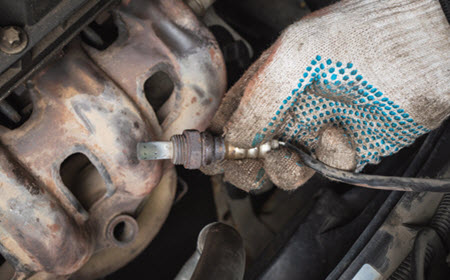
Your Acura’s oxygen sensors monitor the oxygen content for the gas emissions of your vehicle and the performance of your catalytic converter. Although your Acura can run with faulty oxygen sensors, engine damage risk increases the longer you drive with failing sensors. Keep reading to learn more about the importance of Acura oxygen sensor replacement.

What is a Catalytic Converter?

The catalytic converter is part of a vehicle’s exhaust system used to turn harmful hydrocarbons, carbon monoxide, and nitrogen oxides into less harmful emissions such as carbon dioxide, nitrogen, and water vapor.

What is the Purpose of Oxygen Sensors?

As you drive your Acura, it produces “waste gases” that are carried through your exhaust from your engine. The oxygen sensors ensure these fumes are expelled and help manage your engines’ emissions by working with your fuel injection system. Installed at the front and back end of the catalytic converter, most vehicles have between two to five sensors, although some might have more.

They measure the amount of unburned oxygen in the exhaust and communicate that information to your electronic control unit (ECU). As a result, you maintain optimized performance, allowing the fuel injection system to adjust based on the appropriate air-to-fuel ratio.

How Do Oxygen Sensors Fail?

The most common cause of oxygen sensor failure is fuel contamination, such as oil, coolant, or silicone. Oil blow-by is more common with older engines, while an engine gasket leak can lead to coolant being burnt in the combustion chamber. Excessively rich fuel mixture condition is also a common issue, which is why it’s important to keep your systems functioning properly with regular sensor checks, maintenance, and replacement.

Why Should I Worry About Oxygen Sensor Replacement?

The oxygen sensor plays a vital role in maintaining your car’s health by regulating the air-fuel mixture for optimal performance. Regular Acura maintenance ensures the sensors are checked to keep them operating properly so your vehicle optimizes fuel economy and avoids engine damage. When there is too much oxygen, the fuel mix is too lean, meaning there is too much air and not enough fuel. This can lead to engine failure over time. When there isn’t enough oxygen, the fuel mix is too rich, which can impact your fuel economy, increase your emissions, and eventually damage your engine.

What are the Signs of a Failing Oxygen Sensor?

Some common signs of failing oxygen sensors include:

  • Decreased gas mileage due to more fuel being injected into the engine
  • Engine misfiring and rough idling
  • Check engine light message
  • A decrease in engine power, such as poor acceleration or struggling to reach full power
  • The smell of rotten eggs due to excess fuel in the engine

If you notice these symptoms or your check Acura Oxygen Sensor Replacement engine light is on, you should have your Acura checked by the leading garage in Round Rock to confirm it’s time for oxygen sensor replacement.


Schedule your vehicle’s TLC today to ensure it runs smoothly and safely by booking a service appointment with Adair & Sons in Round Rock, TX.

Toyota Rear Spring

How to Recognize Broken Rear Springs in Your Toyota

Driving your Toyota daily allows you to get a feel for its performance. Over time, as systems fail, you’ll become better at recognizing when something doesn’t feel right. For example, if you notice your Toyota feels unstable, it is likely related to the suspension system, such as worn or broken rear springs. Here are the signs of broken rear springs in your Toyota so you know when it’s time for repairs and service.

What are Rear Springs?

Your Toyota’s coil springs and shocks are part of your vehicle’s suspension system. They provide the support your vehicle needs to remain level. The coil springs help support your vehicle’s weight so it moves properly and responds to movement, such as turns, and obstacles in the road, such as potholes and gravel, without disturbing the smooth feel of your drive.

How Long Do Coil Springs Last?

Coil springs don’t come with an “expiry day.” However, they can break down with serious wear and tear related to exposure to dirt and water. As a result, if you drive on highways and paved roadways most of the time, your rear springs will last longer than if you drive off-road, or on dusty, muddy side roads.

What are Signs of Broken Rear Springs in a Toyota?

Signs your rear springs are broken include:

Your Toyota is “sagging”

If your rear springs are broken, your vehicle’s weight is not being carried evenly, which can lead to sagging or tilt between the front and rear. Although you might not notice it in the early days, after time, you might also feel like you’re sitting lower or your vehicle feels like it’s leaning when you drive.

Uneven tire wear

Damaged rear springs put extra pressure on your rear tires, which leads to faster wear. As a result, your rear tires will become stripped of the treads faster than the front tires. You might also experience uneven tire wear because different areas of your tires are hitting the road more frequently or at unusual/irregular angles.

Unusual sounds

Springs help keep your Toyota stable on the road, alleviating unnecessary pressure on various components while you drive. When a rear spring is broken, the weight and tension increase on certain parts of the vehicle, which can lead to grinding and squeaking noises.

Uncomfortable drive

With less stability and support, you will notice your Toyota feels less comfortable to drive. The weakening of your suspension system creates a bouncy, jerky drive as your shocks and other suspension parts don’t have as much support. Every imperfection in the road feels like a huge obstacle when your rear springs are broken. You’ll also feel more sway when turning, which can be unsettling. This is typical if the spring is only broken on one side.

The moment you notice any of these signs, Toyota Broken Rear Spring Fix it’s important to set up an appointment to have your rear springs assessed and understand what Toyota repairs or part replacements are required.

Drive confidently by letting Adair & Sons handle your car care needs in Round Rock, TX. From routine maintenance to complex repairs, we’ve got you covered. Book your service appointment today and hit the road worry-free!

Gray Acura SUV

How to Deal With Acura Loose Front End Steering

Driving a high-powered, high-speed vehicle is one of the most outstanding examples of human ingenuity. Your visual and tactile stimulation that informs the driver how to use minute reflexes in perfect timing takes years of experience to master. The vehicle has to be tuned and aligned perfectly to translate those small physical responses into minor adjustments that make considerable changes in the direction and speed of your vehicle.

The amount of physics involved between you and your car as you drive around the block is impressive, but it can be devastating when you have a breakdown in the system. Here are a few ideas about how to deal with Acura loose front end steering.

Causes of Loose Steering

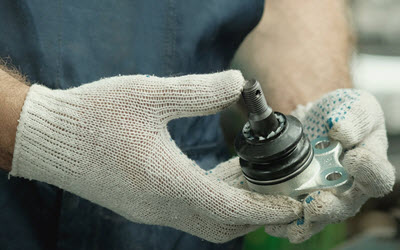
The ball joints and tie rods are located between the two front wheels of your Acura. They are both essential parts of the steering mechanism for your vehicle. Your ball joints are steel balls in a socket covered by rubber boots. Over time, the rubber can wear away or suffer damage, which may cause it to make snapping or popping noises when you turn your steering wheel, and it will affect your steering as well, making it feel looser.

Your tie rods connect the front wheel spindle to the steering gear mechanism. These are threaded into the steering rack, which allows your mechanic to align your wheels. When these begin to fail you may also notice clicking and popping noises as well as a loose feeling when you turn your steering wheel.

Another possible cause of loose steering is a damaged pitman arm. The particular part connects the steering gear to the steering linkage. Pitman arms are usually very durable; however, extreme driving situations, road hazards, and lack of proper maintenance can cause them to be damaged. If your pitman arm is going bad, your steering will get sloppier. Your Acura will tend to go where it wants to rather than where you want it to go.

There are a few other parts that might need to be checked out as well. The control arms keep your car’s chassis and wheels together as it moves, stabilizing your Acura. Your coil springs are essential to your car suspension system, allowing your steering to turn your front wheels correctly. Your drag link converts the turning motion of your steering wheel into the motion that turns your wheels. Finally, your strut rod bushings can cause problems in your steering. This component helps keep your vehicle stable, especially while you are braking. If these fail, you are in danger of causing your vehicle damage when you slow down or stop suddenly.

Safety Concerns

It is dangerous to drive with steering that is not working correctly. When the components of your steering mechanism do not respond correctly to your highly trained reflexes, you lose a degree of control over where your car goes and takes you. Statistics show that most accidents happen close to home, so it may only cause you to accidentally run into your mailbox, costing you significant money in repairs. However, with loose steering, you may be unable to compensate for another driver on the interstate, causing you to lose control at high speeds in high traffic, which could cost your life and the lives of others.

When it comes to your steering, how loose is too loose? It is never too soon to have your steering inspected by an auto mechanic. The best thing to do is to take it in or make an appointment with a Acura-certified auto mechanic as soon as you notice your steering feeling loose. Vehicle problems do not simply fix themselves over time. They only get worse and the solutions become more expensive.

What Are the Solutions?

If you get your Acura with loose steering early enough, the mechanic may be able to fix it with an adjustment. This may include realigning the wheels and adjusting some of the components of your steering mechanism. The low-end cost of this adjustment would be several hundred dollars and may take several hours to finish. While this is not cheap, it is worth it because the price rises significantly if parts need to be replaced.

If the steering box is damaged or any components need to be replaced, you can expect the price to go from several hundred dollars to several thousand dollars. While that is not a pleasant thought, it is nothing compared to the cost of your safety and life, which is at risk if you drive a vehicle with loose and faulty steering.

Steering Repairs at Adair and Sons

If your Acura has loose steering or you sense that Acura Ball Joint Inspection something is not working correctly with the steering mechanism in your vehicle, bring it to Adair and Sons. We are Round Rock’s #1 Independent German Auto Repair Shop located in Round Rock, TX. Give us a call and book an appointment with us today.

* Gray Acura SUV image credit goes to: Artistic Operations.

Audi EGR Valve

Top Garage in Round Rock For Audi EGR Valve Replacement

In the world of automotive maintenance, understanding the signs of component wear and failure is essential for keeping your vehicle in top condition. For Audi owners, one such critical component is the Exhaust Gas Recirculation (EGR) valve.

This valve plays a pivotal role in reducing emissions and improving engine efficiency. However, like all mechanical parts, the EGR valve is subject to wear and tear. Knowing when it needs replacement can save you from more significant issues down the road.

Key Signs Indicating That Your Audi May Need An EGR Valve Replacement

  • Decreased Engine Performance: One of the first signs of a failing EGR valve is a noticeable decline in engine performance. If your Audi seems less responsive, or if there’s a noticeable decrease in power during acceleration, the EGR valve might be to blame. This happens because a malfunctioning EGR valve can disrupt the air-fuel mixture balance, leading to poor engine performance.
  • Rough Idling: Does your Audi’s engine sound rough or uneven when idling? A faulty EGR valve can cause an irregular flow of exhaust gases, leading to rough idling. This is often accompanied by vibrations that can be felt inside the cabin, especially when the vehicle is stationary.
  • Increased Fuel Consumption: A malfunctioning EGR valve can lead to an increase in fuel consumption. This happens because the engine needs to burn more fuel to compensate for the disrupted exhaust gas circulation. If you notice that your Audi is guzzling more fuel than usual, it’s worth checking the EGR valve.
  • Check Engine Light Activation: Modern Audis are equipped with sophisticated computer systems that monitor the performance of various components. If there’s an issue with the EGR valve, the check engine light on your dashboard may illuminate. While this light can indicate various issues, a diagnostic check can confirm if the EGR valve is the culprit.
  • Emission Test Failure: If your Audi fails an emissions test, it could be due to a faulty EGR valve. Since the EGR valve is responsible for reducing nitrogen oxide emissions, a malfunction can lead to higher levels of these harmful gases, causing your vehicle to fail the test.
  • Engine Knocking Noises: A failing EGR valve can cause pre-ignition or knocking noises in the engine. This sound is typically a pinging or knocking noise that occurs during acceleration or when the engine is under load. It happens because the incorrect exhaust gas recirculation affects the combustion process.
  • Engine Overheating: While less common, a malfunctioning EGR valve can sometimes lead to engine overheating. This occurs when the valve stays closed, trapping heat inside the engine. Overheating can cause significant damage if not addressed promptly.
  • Visible Carbon Build-up: Over time, the EGR valve can become clogged with carbon deposits. If you inspect the valve and notice a significant build-up of carbon, it’s a clear sign that the valve is not functioning correctly and may require replacement.
  • Stalling Engine: In severe cases, a faulty EGR valve can cause your Audi’s engine to stall. This typically happens when the valve is stuck open, allowing too much exhaust gas to enter the intake manifold, disrupting the air-fuel mixture to the point where the engine cannot sustain operation.
  • Unusual Smell From Exhaust: Lastly, a failing EGR valve can lead to an unusual smell from the exhaust. This is due to the incorrect recirculation of exhaust gases, which can create a noticeable odor.

Prolong The Life And Performance Of Your Audi

Recognizing these signs is crucial for maintaining the health and efficiency of your Audi. If you experience any of these symptoms, it’s advisable to have your vehicle checked by a professional mechanic.

Timely replacement of the EGR valve not only ensures smoother operation but also helps in maintaining optimal fuel efficiency and reducing harmful emissions. Remember, preventative maintenance is key to prolonging the life and performance of your vehicle.

Contact Adair & Sons Automotive Today

Contact us today at Adair & Sons Automotive, situated Audi EGR Valve Replacement Servicein the heart of Round Rock, TX, for expert Audi EGR Valve replacement services. At Adair & Sons, we specialize in providing top-notch automotive solutions. Our experienced technicians are well-versed in handling the intricate needs of your Audi, ensuring that your EGR (Exhaust Gas Recirculation) Valve is replaced with precision and care.

The EGR valve is crucial for reducing emissions and improving your vehicle’s efficiency, and our team uses only the highest quality parts and the latest techniques for all repairs and replacements. Trust us for reliable, efficient service that keeps your Audi running smoothly. Visit us for an experience that combines expertise, customer satisfaction, and value.

Audi Engine Overheating

Tips For Keeping Your Audi’s Cooling System In Top Shape in Round Rock

As an Audi owner, you revel in the smooth performance and sleek design of your vehicle. However, ensuring its longevity and top-notch performance requires attentive care, especially for crucial systems like the cooling system. Maintaining your Audi’s cooling system is paramount to preventing overheating issues and preserving the engine’s health. Here are expert tips to keep your Audi’s cooling system in impeccable shape.

Regular Fluid Checks and Flushes

The synergy between coolant and water is the lifeline of your Audi’s cooling system, actively regulating the engine’s temperature to ensure optimal performance. Regularly monitoring the coolant’s level and quality is fundamental to preserving your Audi’s engine health. Begin by locating the coolant reservoir and checking the fluid level against the markings on the tank. It’s essential to inspect the coolant when the engine is cool to prevent any potential burns.

Beyond merely checking the quantity, pay attention to the quality of the coolant. Over time, coolant can become contaminated with dirt, rust particles, or other impurities, diminishing its effectiveness. Contaminated coolant not only loses its ability to regulate temperature efficiently but also poses a risk of causing corrosion within the system.

Following the manufacturer’s guidelines for coolant replacement, typically recommended every 30,000 to 50,000 miles, is pivotal. However, driving habits and environmental conditions can also influence this interval. Extreme temperatures or frequent stop-and-go driving might necessitate more frequent coolant changes to ensure consistent and effective cooling.

A professional flush and replacement of the coolant at the recommended intervals prevent corrosion, maintain proper pH levels, and ensure efficient heat transfer within the system. This seemingly simple yet crucial maintenance step significantly contributes to extending your Audi’s cooling system’s longevity and preserving its peak performance.

By proactively managing the coolant quality and adhering to scheduled flushes, you’re not only safeguarding your Audi’s engine from potential overheating but also enhancing its overall reliability and longevity.

Inspect Hoses and Belts

Your Audi’s cooling system operates under extreme conditions, subjecting its hoses and belts to substantial heat and pressure. Over time, this wear and tear can compromise their integrity. Routinely inspect these vital components for any indications of wear, such as cracks, bulges, or leaks. Even minor fissures can lead to coolant leaks, posing a risk of overheating and potential engine damage.

Proactively replacing hoses and belts at recommended intervals, typically every four to five years, or as indicated by your vehicle’s manual, is crucial. Consider replacing them sooner if you notice any signs of deterioration. Additionally, ensure proper tension in belts; overly loose or worn-out belts can hinder the water pump’s efficiency, directly impacting the cooling system’s ability to regulate the engine’s temperature effectively.

Taking a proactive approach to monitoring these components not only safeguards your Audi’s engine but also ensures a reliable cooling system that performs optimally under various driving conditions. Regular maintenance prevents unexpected breakdowns, allowing you to enjoy your Audi’s performance without worrying about potential cooling system issues.

Maintain Radiator Health

The radiator serves as the central cooling component for your Audi, responsible for dissipating heat generated by the engine. To ensure its efficient operation, regular inspections and maintenance are imperative. Start by visually examining the radiator for any visible debris, dirt accumulation, or potential blockages that may obstruct proper airflow.

Gently clean the radiator fins to remove accumulated debris, which can impede heat exchange. Use a soft brush or compressed air to clear any obstructions, allowing uninterrupted airflow through the radiator. Additionally, pay attention to the radiator cap; it plays a pivotal role in maintaining the right pressure within the cooling system. A faulty cap can lead to irregular pressure levels, potentially causing overheating issues.

Neglecting routine radiator maintenance can have detrimental effects on your Audi’s overall performance. Overheating due to a poorly maintained radiator can lead to engine damage and compromise your vehicle’s efficiency. By dedicating time to caring for the radiator, you’re safeguarding your Audi’s engine and ensuring it operates at its peak performance levels.

Professional Inspections

While regular checks and maintenance are essential, entrusting your Audi’s cooling system to professional technicians ensures thorough inspections and an accurate diagnosis. Professional mechanics have the expertise and tools to detect underlying issues that might escape your notice. Regular servicing from qualified professionals not only maintains the cooling system’s health but also addresses any potential problems before they escalate, saving you from costly repairs down the road.

It’s evident that meticulous care for your Audi’s cooling system is non-negotiable. By implementing these tips, you’re actively contributing to your vehicle’s longevity and optimal performance.

Adair and Sons: Your Audi’s Trusted Guardians for Peak Performance

In Round Rock, Texas, when it comes to trustworthy New Audi Radiator Installation automotive care, look no further than Adair and Sons. Our expert team specializes in Audi maintenance and repairs, ensuring your vehicle receives top-notch service. Schedule your maintenance appointment with Adair and Sons today to keep your cooling system in pristine condition.

Maintaining your Audi’s cooling system isn’t just about preserving its performance; it’s a commitment to the long-term health of your vehicle. With these tips and the expertise of a reliable service provider like Adair and Sons, you can ensure your Audi remains in top shape for many miles ahead.

ASE Certified Technicians in Round Rock

How ASE Certified Technicians Keep You and Your Car Secure in Round Rock

In the fast-paced world of automobiles, ensuring your car’s safety is paramount. The expertise of ASE (Automotive Service Excellence) certified technicians plays a pivotal role in safeguarding both you and your vehicle. From meticulous inspections to skilled repairs, these professionals are the guardians of automotive security.

ASE certification isn’t just a badge; it’s a testament to a technician’s commitment to excellence. This accreditation doesn’t come easy—it’s earned through rigorous training and examinations that cover the breadth and depth of automotive expertise. From mastering the intricacies of engine repair to understanding the nuances of intricate brake systems and electrical components, these certified technicians are well-versed in every crucial aspect of your vehicle’s mechanics. Their certification isn’t merely a title; it’s a promise of proficiency that directly translates into enhancing your car’s safety.

Think of ASE certification as a journey—an arduous path taken by these technicians to become the guardians of your car’s well-being. When you hand over your vehicle to ASE certified technicians, you’re not just leaving it in capable hands; you’re trusting experts who have devoted themselves to perfecting their craft. Their mastery serves as a safeguard, shielding your vehicle against potential risks and ensuring it receives the highest standard of care.

Thorough Inspections: Uncovering Potential Hazards

ASE certified technicians aren’t just about superficial check-ups; they delve deep into every component of your vehicle. Their meticulous inspections are akin to a detective’s investigation, uncovering potential hazards before they escalate. From detecting worn-out brake pads that compromise stopping power to identifying subtle engine irregularities that could evolve into major issues, these inspections are thorough, leaving no stone unturned.

By entrusting your car to ASE certified technicians, you’re placing it under the scrutiny of individuals who treat every inspection with unwavering attention to detail. Their commitment to precision goes beyond a checklist—it’s a dedication to ensuring every aspect of your vehicle is in optimal condition. This meticulous care translates to your peace of mind, knowing that your car is road-ready and secure against unforeseen hazards.

Precision Repairs: Ensuring Reliable Performance

When repairs become inevitable, ASE certified technicians step in as the beacon of reliability. Their proficiency extends beyond identifying issues; it encompasses the precision and finesse required to rectify them effectively. Whether it’s addressing mechanical faults or troubleshooting electrical complexities, their expertise ensures that repairs are conducted with utmost precision.

These technicians don’t just fix the problem at hand; they ensure that your car’s systems function optimally, minimizing the likelihood of future safety issues. It’s akin to fortifying your vehicle’s defenses, ensuring it remains a safe haven for your journeys.

Maintaining Excellence: Adair and Sons – Your Trusted Guardians

In Round Rock, TX, Adair and Sons stand out as the paragon of automotive excellence. Our team consists of ASE certified technicians who embody the ethos of safeguarding both you and your vehicle. With a commitment to unparalleled service and a dedication to upholding the highest safety standards, we go above and beyond to ensure your car’s security.

At Adair and Sons, you’re not just a client; you’re family. Our passion for automotive safety resonates in every service we provide, setting us apart as the pinnacle of reliability and expertise. With us, your car isn’t just another vehicle; it’s a cherished responsibility we handle with the utmost care.

ASE certified technicians are the unsung heroes in the realm of automotive security. Our expertise and dedication serve as the cornerstones for keeping you and your car secure. From meticulous inspections to precise repairs, our commitment to excellence ensures that your journeys remain safe and worry-free, and your experience with us remains smooth and easy.

For the pinnacle of automotive safety and reliability, trust Adair and Sons. Book your service appointment with us today at 512-255-2022. Adair and Sons wants to give you an unparalleled experience with our ASE certified technicians. Let us be your guardians on the road to a secure driving experience.

Ready to prioritize your car’s safety — and the safety of yourself and your passengers? Trust the expertise of ASE certified technicians at Adair and Sons in Round Rock, TX. Come experience automotive service at its finest. Your safety is our commitment.

BMW 340i Car

Best Repair Facility in Round Rock For Tackling BMW PCV Valve Failure

The Positive Crankcase Ventilation (PCV) valve is a critical component in modern vehicles, including BMWs. It plays a pivotal role in reducing emissions by rerouting unburned fuel and harmful gasses from the crankcase to the engine for combustion, thereby preventing them from being released into the atmosphere. However, like any other mechanical component, the PCV valve can fail over time. Recognizing the signs of its failure is crucial for BMW owners to maintain optimal engine performance and adhere to emission standards.

Engine Performance Issues

When a PCV valve fails, it directly impacts the engine’s performance. Common symptoms include rough idling, a noticeable decrease in engine power, and stalling. The PCV valve helps regulate the pressure inside the engine’s crankcase. A malfunction can disrupt this balance, leading to performance issues. Owners might notice their BMW struggling to accelerate or maintain speed, especially during uphill drives or heavy loads.

Unusual Engine Noises

A failing PCV valve can also contribute to unusual noises emanating from the engine. These sounds are typically the result of increased pressure within the crankcase. Owners may hear a hissing or whistling noise, which is indicative of a vacuum leak caused by a cracked or broken PCV valve.

Oil Leaks and Contamination

Another telltale sign of a faulty PCV valve is the presence of oil leaks and contamination. When the PCV valve does not function correctly, it may cause over-pressurization in the crankcase, forcing oil to leak through gaskets and seals. Additionally, a clogged PCV valve can lead to oil sludge buildup. This contamination not only affects the engine’s performance but can also lead to more significant and costly repairs if left unaddressed.

Increased Engine Oil Consumption

An increase in engine oil consumption is a less obvious but significant indicator of PCV valve failure. A malfunctioning PCV system can cause oil to be burned with the fuel, resulting in a decrease in oil levels without any apparent leaks. BMW owners should regularly check their oil levels and look out for this subtle sign of PCV valve issues.

Check Engine Light and Diagnostic Trouble Codes (DTCs)

Modern BMWs are equipped with sophisticated onboard diagnostic systems. A failing PCV valve can trigger the Check Engine Light (CEL) to come on. When this happens, using a diagnostic scan tool will often reveal specific DTCs related to the PCV system. Common codes associated with PCV valve failure include those pertaining to the crankcase ventilation system or fuel-air metering systems.

Emission Test Failures

Since the PCV valve plays a vital role in controlling vehicle emissions, a failure can lead to an increase in harmful emissions. This increase often results in the vehicle failing emission tests. BMW owners experiencing emission test failures should consider the PCV valve as a potential culprit.

Moisture and Deposit Buildup

Lastly, moisture and deposit buildup around the PCV valve or in the hose indicates a problem. When the valve fails, it can cause condensation and deposits to accumulate, which is visible upon inspection. Regular checks can help identify this issue before it leads to more significant engine problems.

Maintain Your BMW’s Health

The PCV valve is a small but vital component in BMW vehicles, playing a significant role in engine performance and emission control. Recognizing the signs of its failure is essential for maintaining the vehicle’s health and ensuring compliance with emission standards.

Early detection and prompt repair not only prevent further damage to the engine but also contribute to the overall longevity and efficiency of the vehicle. Regular maintenance checks and being attentive to these warning signs can save BMW owners from costly repairs and maintain the vehicle’s optimal performance.

Contact Adair & Sons Automotive For Your BMW PCV Valve Repair

Adair & Sons Automotive, BMW PCV Valve Repair situated in the heart of Round Rock, TX, is your go-to destination for specialized BMW PCV Valve repair services. Our team of skilled technicians is well-versed in the intricacies of BMW vehicles, ensuring that your car receives the highest quality of care.

Whether you’re experiencing issues with your PCV valve or just seeking routine maintenance, our state-of-the-art facility is equipped to handle all your needs. We pride ourselves on our commitment to excellence and customer satisfaction. For reliable and expert service, contact us at Adair & Sons Automotive. We’re here to keep your BMW running smoothly and efficiently.

* BMW 340i Car image credit goes to: stonena7.

×

Licensed Used Car Dealer

CALL NOW