• Ads Icon  1001 Sam Bass Rd, Round Rock, TX, 78681

  • Ads Icon  1001 Sam Bass Rd, Round Rock, TX, 78681

  • Call Icon  (512) 255-2022
  • Call Icon  (512) 255-2022

Author: adairsons

Mercedes Vacuum Door Lock

How To Deal With Mercedes Vacuum Door Lock Failure

Isn’t it frustrating when you try to get into your Mercedes only to realize that the vacuum door locks are not functioning as they should? A vacuum door lock system used in a Mercedes is not like the usual electronic lock system. They use air pressure generated from a vacuum pump to operate the locks. When you press the lock or unlock button the pump creates a vacuum which signals the actuators found in the doors. These actuators either open or close the doors in relation to the signal they receive in the system. This system is very efficient and almost completely silent, but it is susceptible to some problems over time, which result in the complete breakdown of the locking system.

Sometimes the lock issue may affect only one door and at other times, it may extend to all the doors in the car. Mercedes vacuum door lock issues are normal on models that are older. However, the good news is that this particular issue is not always very difficult to fix and it doesn’t have to cost a lot of money. Now that we know how this door lock mechanism works, let’s find out how to detect a fault in the system and how you can fix your door locks if it gives you problems. Keep on reading to find out more about how you can revive your Mercedes vacuum door locks.

Troubleshooting Vacuum Door Lock Problem

  • Listen for Sounds: First, take your time to listen when you attempt to lock or unlock the doors. If you hear the pump working but the locks do not engage it can be due to a vacuum leak or door actuator. However, if there is no sound at all, it may be the pump that has let you down.
  • Check for Leaks: Check the vacuum lines that are easily accessible around the doors for cracks, and disconnected or damaged lines. You may not be able to observe all the lines at once but some of the lines will definitely be in a place where you can see them..
  • Test Individual Doors: Close all the doors and open them one by one in order to determine whether some of the doors only are problematic. If only one door is not operating, it is probable the actuator of that particular door is faulty.

Tips and Tricks to Repair Vacuum Door Lock

  • Replace the Pump: If the central vacuum pump has gone bad, then getting a new one should solve your lock problems. This can be a little expensive but this is always advisable especially if the pump has worn out.
  • Seal or Replace Damaged Lines: When you realize that you have a leak, it is important to repair the line or purchase a new one. Sometimes small leaks can be sealed as a temporary solution while replacement of the entire lines is often the only permanent remedy.
  • Replace Actuators: If you have a faulty door actuator you will have to replace it for the door to work again. This involves the removal of the door panel which is usually best done by a professional in Mercedes repair.
  • Address Electrical Issues: For problems like a fuse that has blown or a wiring problem amongst others, seek a mechanic. There is nothing as complicated as electrical problems, but at least a technician can figure out what is wrong and fix it in no time.

Why Should You Trust Adair and Sons For Your Mercedes Vacuum Door Lock Repair?

If you are in Round Rock, TX, and dealing Mercedes Vacuum Door Lock Repair with problems like vacuum door lock failure in Mercedes contact us at Adair and Sons. Our skilled team knows the unique features of vacuum doors in Mercedes and has the capability to diagnose these problems and repair them quickly. Whether it is a pump that is not working, a vacuum leak, or an issue with the door actuator, we can identify the problem and fix it to get your Mercedes back to its silky smooth self again. Call us now to make an appointment or to find out more about how we can assist in maintaining your Mercedes in peak condition.

Volkswagen Wiring Harness

Best Round Rock Repair Shop for Your Volkswagen’s Wiring Harness Failure

Have you ever entered your Volkswagen, turned the key, and waited for something to happen only for nothing to happen? Or perhaps your lights go out, or your windows just do not roll down anymore? While these problems can seem unrelated, they often point to a common issue: a wiring harness failure. To the Volkswagen car owners, understanding why the wiring harness fails is quite enlightening and may even save an individual from a pocket-breaker repair bill. Without further ado, let’s explore what a wiring harness does, why it may fail, and what you can do about it.

What Is A Wiring Harness?

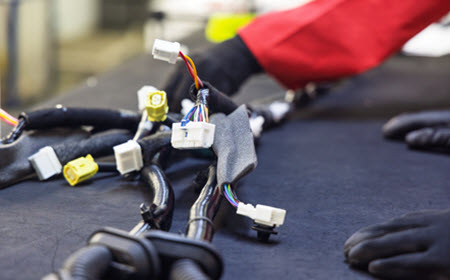
Just like how your body has a nervous system, your Volkswagen’s wiring harness is essentially the same thing for your vehicle. It is a group of wires, connectors, and terminals that pass through your car and link different electrical components. Whether it be your headlights or your infotainment system, the wiring harness is the backbone that makes sure everything can communicate and function properly. If the wiring harness is functioning correctly, you may never even pay attention to it or know that it is in your vehicle. But when it starts to fail, it can cause all kinds of electrical problems.

Possible Reasons For Wiring Harness Malfunctions In Your Volkswagen

  • Wear and Tear: In the course of time, the wiring harness undergoes stress resulting from normal usage of the vehicle. It is subjected to high temperatures from the engine, vibratory forces from the road surface, and occasionally moisture that will over time cause the deterioration of the wires and their sheathing. However, as this wear continues, cracks, fraying, or brittleness can occur leading to system failure.
  • Rodent Damage: Who would ever imagine that rodents can chew on car wiring? Well, it is one of the complaints that auto owners have most often. Some automotive companies have adopted emission free insulation such as soy based material for wires within the automotive system. Although it is very useful for the environment, it can attract rodents who are in search of food. Chewed wires can cause shorting, disconnection, or in the worst-case scenario, fires.
  • Corrosion from Moisture: Moisture is a very destructive factor that often goes unnoticed when it comes to electrical systems. Very often water can get into the wiring of your Volkswagen, especially if the car is exposed to any water leaks or if you reside in an area with very high levels of humidity. Eventually, this moisture leads to rust and corrosion and this can lead to damage of electrical components or erratic performance of the system.
  • Electrical Overloads: Any wiring modification such as; the installation of additional electrical accessories or overloading the electrical circuit of your car puts extra pressure on the wiring harness. It is noteworthy that at high temperatures and repeated high loads, the wires and their insulation can get burnt, harming the wiring system.

What to Do When Your Wiring Harness Fails

  • Inspect the Wiring: Check for physical signs of wear such as burned up, frayed wires, rust, or even damaged insulation. In the case of any of these indicators, it is high time to call a specialist.
  • Check for Rodent Activity: If you see signs such as chewed wires or rodent droppings under the hood, then most probably rodent damage is the cause. To prevent incidence like this in the future use a safe repellent or park your vehicle in an area that is free from rodents
  • Replace the Wiring Harness: In the worst-case scenario, it may be necessary to change the wiring harness completely. Although this may be expensive, it is usually the most effective way of regaining your car’s reliability and safety.
  • Seek Professional Repairs: The wiring harness repair is not something that any auto owner can do on his/her own. Take your VW to a reliable auto service center without delay so the problem can be pinpointed and fixed.

Bring Your VW To Adair and Sons For Wiring Harness Repairs

When it comes to sorting out wiring harness Volkswagen Wiring Harness Repair problems in your Volkswagen you need a workshop that is familiar with German automobiles. Adair and Sons, a company based in Round Rock, TX, is the solution for all your needs. We have state-of-the-art equipment that enables us to locate wiring problems with a lot of precision. Whether it is a small repair that needs to be made or a full wiring harness rebuild, we make sure every job is done right. Give us a call now and book an inspection, then leave the rest to our highly trained staff.

Mercedes Transmission Leak

Round Rock’s Guide to Solving Mercedes Transmission Leak Problems

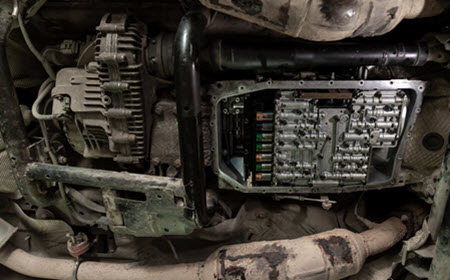
Is your Mercedes leaking transmission fluid? A Mercedes car is designed and developed to offer luxury and performance. However, no matter how well-engineered the car may be, it is not protected from problems, and one of the main problems that owners of Mercedes cars face is the leakage of transmission fluid. If you have seen red or brown liquid on the ground under your car or if your gears are slipping, it is time to do something. When a transmission leak is left unaddressed, it can escalate to severe damages and costly repairs. Here are the common sources of transmission leaks and the most efficient solutions for them.

What Can Cause Transmission Leaks in a Mercedes?

  • Damaged Transmission Pan: The transmission pan is placed beneath the transmission, where the fluid is stored. A jolt on a pothole, a curb, or any other obstacle might harm the pan or the drain plug, resulting in leakage.
  • Worn Seals or Gaskets: Seals are extremely important in the containment of the transmission fluid. These components can degrade over time due to heat and pressure and age and become leaky.
  • Loose or Damaged Transmission Lines: Transmission fluid flows in tubes that interconnect all the various parts of this system. The fluid can easily leak out if these lines become weak, chipped, or rusted.
  • Overheating: Heat affects the transmission part of the vehicle by causing its components to expand and reducing the amount of fluid-holding power. Overheating can be caused by low fluid levels in the car or by overworking the engine, for instance, during towing or in traffic congestion.

What to Do When Your Mercedes Transmission is Leaking

  • Locate the Leak: The first step is to establish where the particular fluid is originating from. Pull up to clean and level ground and look below your Mercedes for any signs of leakage. Shine a flashlight on the transmission pan, lines, and seals and check for signs of damage.
  • Check the Fluid Level and Condition: By checking the transmission dipstick, you can discover whether the transmission fluid is at the correct level and the right color. Healthy fluid should be red or pink. If it’s brown or stinks, it’s high time to replace it.
  • Tighten Loose Components: If the leak is from a loose transmission pan or line, simply tightening the bolt or fitting will eliminate the leakage. But be very careful not to over-tighten, as this can do more harm than good.
  • Replace Worn or Damaged Parts: If you are having leakage issues due to a worn seal, gasket, or line, then the affected part will have to be replaced. A transmission pan can also be damaged and, therefore, require either replacement or repair. Using genuine Mercedes parts gives you a lasting solution, as they are the right parts made for your car.
  • Flush and Refill Transmission Fluid: Once the leak has been identified, it will be proper to drain and replace it with the appropriate type of transmission fluid. Mercedes vehicles need particular kinds of fluids, so it is advisable to look into your owner’s manual or talk to any reputable mechanic.
  • Test the Repair: During transmission repair, go for a test drive to ensure that the transmission is in good working order. Look for fresh signs of leakage and observe the fluid level in subsequent days.

Trust Adair and Sons To Fix Your Mercedes To The Best Standards

If you notice any signs that your Mercedes is Mercedes Transmission Leak Repair developing a transmission leak, do not wait for it to worsen before fixing it. At Adair and Sons, we have the most skilled professionals who will ensure that your luxury car is repaired correctly. We are based in Round Rock, TX, and ensure that any driver in this region receives professional and reliable services.

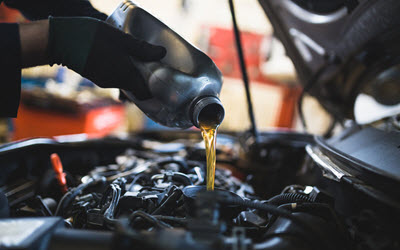
Our experienced mechanics will examine your transmission, locate the leakage, and make the right repairs to have your car in perfect working order. We have been fixing luxury cars for several years, so you can rely on us to keep your Mercedes in good condition. Call us for an appointment today and leave your Mercedes transmission repair to experts.

Volkswagen Engine Oil Leak

Tips to Identify Volkswagen’s Oil Leaks from the Engine

One common issue that can put your Volkswagen’s engine at risk of total failure is an engine oil leak. When oil leaks from your engine, it not only affects engine performance but could also cause damage to the engine and its components.

However, you can save your car’s engine if you identify an oil leak early enough before it begins to cause adverse effects. In this guide, we will provide some tips to help you identify oil leaks in your car’s engine and what to do in that situation.

Common Causes of Engine Oil Leaks in Volkswagen

Before we move on to the ways you can recognize oil leaks in your VW, let us first address the main causes of these leaks. The following could be the reason for an oil leak from your car’s engine.

Wear & Damage

One of the leading causes of oil leaks from car engines is wear and damage caused by aging. Just like human beings can tire out after hours of continuous work, the components of a car can also wear out after working for years. The longer you have had your car the more likely it is to face some issues caused by aging. Worn-out seals or gaskets are likely effects of old age and these could cause an oil leak.

Oil Sludge in Engine Components

A buildup of a thick, semi-solid substance in the engine’s internal system is called a sludge and it can be a reason for oil leaks in an engine. Oil sludge does not happen out of the blue and is usually caused by the consistent use of low-quality or contaminated oil. Due to this sludge, the oil pressure in the engine can get too high, causing certain parts to expand and break, leading to an oil leak.

How to Tell Your Volkswagen’s Engine is Leaking

If you are wondering how to tell when your car’s oil is leaking from the engine. Here are some things to look out for.

1. Low Oil Levels

One obvious sign that indicates a leak in a car’s engine is low oil levels. If you notice that your Volkswagen’s engine oil falls below optimal level whenever you inspect it, you should check the engine as there is likely a damaged part that is leaking. You can use a dipstick to monitor oil level changes and when you notice a drastic decrease, you should check the engine for leaks.

2. Oil Puddle

Another sign that shows an engine oil leak in your Volkswagen is an oil puddle. If you notice that oil pools on the ground under the engine area after your car has been parked for a while, then you can tell that there is a leak. You can differentiate between an oil leak and other fluids by the color and consistency of the fluid. Oil leaks cause a brown or dark stain on the ground.

3. Check Engine Light

Another tip to help you identify if there is an oil leak in your Volkswagen is the “check engine” light on your dashboard. While this light illuminates as a warning sign of several engine problems, it can also alert you of an engine oil leak as this could also be the cause of engine issues in your car.

4. Smoke from the Engine Area

If you notice smoke coming from your Volkswagen’s engine bay, it could be due to engine oil leaks. If oil leaks out from the engine, it could land on components of the engine; the contact between the oil and hot metal can produce smoke which may be visible from the engine area.

5. Engine Overheating

This is another sign that your car’s engine could be leaking oil. Oil leaks from the engine cause a reduction in the oil levels which then reduces the temperature-regulating function of the engine. Once less oil is available to reduce friction and regulate the engine’s temperature, the result is excessive heat from the engine area.

Where to Go to Solve Your Volkswagen’s Engine Oil Leaks

Oil leaks in your Volkswagen may start Volkswagen Engine Oil Filling as a simple problem but can become a huge one in little time. Not only will it affect your engine’s function, but it could also cause damage to surrounding engine components. This is why you should find a reliable mechanic for a solution immediately if you notice a leak.

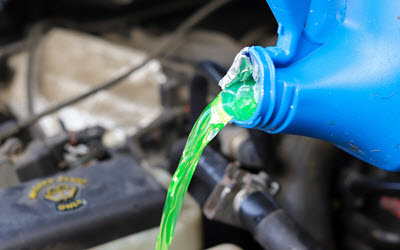
Adair and Sons is your leading automobile workshop in Round Rock, TX. We specialize in providing high-quality care services for German vehicles. We can fix the oil leaks in your Volkswagen and repair damaged parts as well as perform maintenance. All you need to do is schedule an appointment and we will handle the rest to return your car or SUV to you in top condition!

Car Coolant Leak

Best Repair Shop In Round Rock To Address Coolant Leak In Your Vehicle

Do you ever see green or orange-colored liquid on the ground beneath your car? If you do, then you might be facing a coolant leak problem. A coolant leak is one of those issues that appear insignificant at first glance, but if not fixed on time, becomes a much bigger issue to your automobile. Coolant leaks are not as rare as many people might think, so it is important that you know the signs of coolant leaks and how you can fix or prevent them if you don’t want to end up paying a lot of money to have them repaired. Let’s start with the signs of a leak.

Signs of a Coolant Leak

  • Overheating Engine: The first sign that there is a problem with the coolant and an indication that there is a leak, is that the car’s engine will overheat. If your engine temperature gauge shows you a high reading or you feel a cloud of steam coming from under the hood, it is a good time to check your car’s coolant levels.
  • Puddles Under the Vehicle: If you find pools of brightly colored fluid – usually green, orange, or pink – beneath your vehicle, it is probably coolant. This is a clear indication that you have a coolant leak.
  • Frequent Coolant Refills: If you are constantly adding more coolant, yet you don’t see any leakage, there may be an internal leakage.
  • Sweet Smell: Coolant has a peculiar kind of smell; a sweet smell. If you smell this odor from your car, particularly around the engine, then it’s likely that you have a leaking coolant.

How to Address a Coolant Leak

  • Tighten or Replace Hoses: The hoses that are used to transport coolant can wear out and become loose or have some cracks after years of use. If a hose is loose, it might be fixed simply by tightening the clamps. However, if the hose is cracked, or the rubber is worn out, then the hose needs to be replaced. Make sure the new hose is well-fixed so that it does not develop a leak in the future again.
  • Radiator Repair or Replacement: Tiny holes in the radiator can be easily blocked with the use of a radiator sealant, which provides a temporary leakage cover. However, if you find out that the damage is severe, you should replace the radiator. A new radiator helps ensure that coolant can flow and cool the engine without any fluid loss.
  • Replace Water Pump: A water pump has an important function of circulating the coolant around the engine. If the pump is leaking or has damaged seals, it will not perform the task as expected. Replacing the water pump will ensure the flow of coolants is normal again, and the engine is not likely to hit the highest temperatures or overheat.
  • Head Gasket Replacement: A blown head gasket is a serious problem, as it causes the coolant to get into the oil or burn up in the combustion chamber. To fix a head gasket, you have to take off the engine head and install a new gasket on the top half of the engine. This is a very tedious process and should best be left to a professional. It has to be done early enough to stop internal coolant leaks and prevent further damage to the engine.

The Auto Repair Professionals You Can Trust In Round Rock

If there is one thing that we know Car Coolant Filling how to do best at Adair & Sons Automotive, it is to keep the cooling system of your vehicle in check, whether you’re driving a Domestic, Asian, European, or Diesel engine vehicle. We have been offering the best auto repair services to drivers in Round Rock, TX, where our shop is located. We also make sure these services are extended to those in nearby areas like Austin, and Cedar Park, among others.

Our professional mechanics are trained to identify and manage coolant leakage, to help your engine run efficiently and control its temperature. Don’t let a small leak turn into a big issue, come to our shop in Round Rock or contact us to book an appointment. Let us manage your vehicle and ensure it continues to run for many more years.

Car Parking Brake Warning

The Premier Garage in Round Rock to Fix a Faulty Parking Brake in Your Car

Parking brakes, also called hand brakes or emergency brakes, are an integral part of any car’s safety feature. It works independently of your regular braking system. If this brake malfunctions, it could be quite dangerous. This article will address issues that can occur with parking brakes and how you can mitigate them.

Types of Parking Brakes

The two main types of parking brakes are as follows:

  • Mechanical Parking Brake: This system uses pedals, levers, or cables to engage the parking mechanism.
  • Electronic Parking Brake (EPB): In this system, the parking mechanism is controlled electronically with an actuator.

Both types bypass the main braking system and work independently to help your car to stop.

Why You Should Always Engage Your Parking Brakes

The parking or emergency brakes have two significant roles:

  • Parking: The parking brake keeps the car from rolling while it is stopped. This is especially critical when you’re parked on a hill or any slope, even your driveway.
  • Emergency: The other important job of the parking brake is to be able to stop your moving car immediately if the regular or primary braking system fails. Hence, the name emergency brakes.

3 Symptoms of a Problematic Parking Brake

Here are some tell-tale signs that your parking or emergency brakes might be malfunctioning.

  • Trouble Engaging or Disengaging: If you notice it is difficult to engage or disengage your parking brake, that should raise flags that the brake is failing.
  • Lever is Hard to Move: If the lever feels too stiff or too loose, make sure you get the emergency brake checked out.
  • Parking Brake Light On: If the brake light on your dashboard remains on after you have disengaged it, you should definitely have a professional mechanic inspect it to see what is going on. Driving with a partially engaged parking brake can cause severe damage to your car.

What Causes Parking Brake Issues?

  • Frayed Cables: The cables in the parking brake system become frayed and worn due to time and wear.
  • Incorrect Tensions: The cables in the parking brake system may become loose and need adjusting.
  • Shoe, Pad, or Caliper Issues: If any of the brake components, such as the caliper, shoe, or pad, has a problem, like degradation or corrosion, it will affect the proper function of the parking brake.
  • Brake Fluid Leakage: A leak in the brake fluid system can cause low pressure, which would be detrimental to the parking brake system.
  • Driving With the Parking Brake On: This is a huge no-no. When you drive with the parking brake engaged, it prematurely wears out parts. In the long run, that can cause irreparable damage, especially to your transmission.
  • Electrical Errors: A malfunction in the electrical system can cause the parking brake to stick or cause other issues.
  • Defective Sensors and Actuators: A faulty sensor or actuator can definitely lead to problems with the parking brake.

Steps to Take in Case You Have a Malfunctioning Parking Brake

The only responsible step to take is to get your parking brake repaired. It is best to bring your car to a professional mechanic, as the repair process can be a bit tricky unless you are a mechanic yourself. Here are some things that might need to be done:

  • You may need to replace the parking brake cable or actuator. This is usually a straightforward task for a licensed mechanic.
  • You may need to replace the brake pads or shoes. This is a bit more involved, as you will need to remove the wheels and the calipers.
  • For an EPB (Electronic Parking Brake) system, the repair process is much more technical. You will need specialized diagnostic tools to read and identify the error codes.

Prevention is the Best Approach

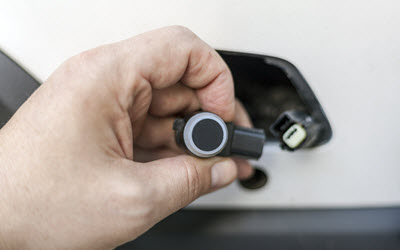
The best way to keep your car in good Car Parking Sensor Check working condition is to put it on a regular maintenance schedule. We can help you with that. Many car-related problems, when caught early, are relatively simple to fix.

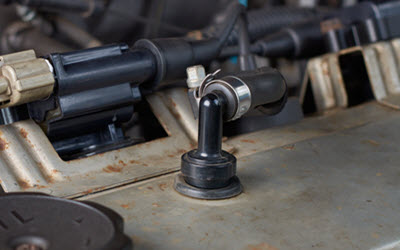
At Adair and Sons, we can certainly help you with your car’s parking/emergency brake issue. Of course, we can do much more. Our highly trained mechanics work on both imported and domestic vehicles. We are your go-to car mechanics. Call us to book an appointment and stop by to visit us. You’ll find us in Round Rock, Texas.

Car Exhaust Black Smoke

How to Tackle a Bad PCV Valve in Your Car

The best way to tackle your car’s PCV valve issue is to take it to a professional mechanic. This is a complex and critical component in your car. A malfunctioning PCV valve (Positive Crankcase Ventilation Valve) can lead to some serious problems with your car’s engine. However, if you catch issues early and deal with it appropriately, a bad PCV valve can be taken care of relatively easily.

What is a PCV Valve?

The PCV valve, or the positive crankcase ventilation valve, is a one-way valve that sits on top of the car’s engine. It is attached to the crankcase of the car and is responsible for rerouting the blow-back gasses. These are toxic fumes produced while combustion occurs. The gasses are passed through the air intake back into the combustion chamber so that they can be burned again.

When a PCV valve is working properly, it only moves the gasses one way, otherwise it is harmful to the engine. The blow-by gasses contain unburned fuel. If these gasses enter the crankcase, where there is engine oil, they create sludge. This is a terrible situation for your engine because it causes corrosion and also clogs up the system. A clogged up system can also build pressure in the crankcase, which can lead to blown gaskets and oil leaks.

What Does a Bad PCV Valve Look Like?

A bad PCV valve usually means the valve is either stuck in the open or closed position. Depending on how it’s stuck, you’ll see certain issues emerging in your car.

  • Stuck Open: This can cause a lean air-fuel mixture, which means there is not enough fuel in the mixture. Your car might be difficult to start, idling could be rough, sluggish engine, and your car will misfire.
  • Stuck Closed: This is when the blow-back gasses cannot get out of the crankcase. Therefore, it can generate pressure in the crankcase. This results in a multitude of problems, such as sludge build-up, a clogged engine, noxious exhaust gas from the tailpipe, and more.

Some Symptoms of a Faulty PCV Valve

You will notice several different types of malfunctions in your car if you have a damaged PCV valve. We’re listing a few here, so that you can be aware of what might be happening. Make sure you have your car inspected by a professional.

  • There are oil leaks around the engine or on the ground under your car.
  • You notice your car idles in an erratic and rough manner.
  • Your car wants to stall, when you try to start it or while driving.
  • Your car is using up engine oil faster than normal.
  • You are no longer getting good gas mileage.
  • You notice thick, black smoke coming out of your car’s tailpipe.
  • The most common sign of a poorly performing PCV valve is that the engine will misfire.
  • There is sludge build-up in the engine.
  • Sporadic acceleration will show as erratic RPMs (revolutions per minute) on your tachometer.
  • The Check Engine Light (CIL) turns on. The way you know what exactly is the problem with the engine is by attaching an OBDII-scanner (On-Board Diagnostics scanner) to your car’s on-board computer, which then reads and deciphers the error codes.

What Happens If You Drive With a Malfunctioning PCV Valve?

This article has shown enough reasons not to drive your car with a non-functioning PCV valve. If you observe any of these issues, bring your car to us as quickly as possible before there is permanent engine damage. If you have your car on a regular maintenance schedule, these problems can be caught early, and we can nip them in the bud, saving you headaches and costs.

Adair and Sons is the Next Step

At Adair and Sons, our highly trained Car PCV Valve Check mechanics will take care of your car. We have built a reputation for honesty and quality. We put your needs first, and we work with you. Our friendly staff is happy to answer all your questions until you’re satisfied. We are members of the Technet Professional Network. Ask us about the guarantees and warranties we offer. Give us a call or book an appointment to visit us. You’ll find us in Round Rock, Texas.

Car Fuel Pump Leak

Tips to Get Rid of Fuel Pump Leaks in Your Vehicle

Like food is to the human body, fuel energizes your car and helps to keep it running. Hence, if anything hinders the proper flow of fuel to the engine, your vehicle’s combustion process may be impeded, leading to a possible engine failure.

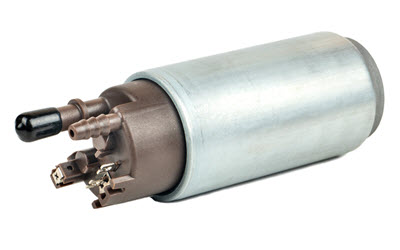
The fuel pump plays a key role in ensuring that fuel from the gas tank gets to the engine to supply power for the car’s functions. However, if this pump starts to leak, your vehicle could lose fuel and this could lead to some serious engine issues. This guide will help you recognize signs of a fuel pump leak and what to do to get rid of this problem.

How to Recognize Fuel Pump Leaks in Your Vehicle

No vehicle, no matter the make or model, is not immune to fuel pump problems. However, the following signs can help to warn you of any leaks in your vehicle’s fuel pump.

Fuel Puddle Under Car/Odor

This is one of the most common signs to show that your vehicle’s fuel pump is leaking. Hence, if you notice fuel puddles under your car or your car keeps smelling like gasoline, then it could be that the fuel pump is damaged and leaking. You should get professional help immediately if you notice this as it is not only bad for your car’s engine, but is also a safety risk.

Reduced Engine Performance

Another sign to show that your car may be losing fuel through the fuel pump is a decreased engine performance. This is so because your car’s engine needs sufficient fuel supply to run adequately and if this supply is limited, because of a leak, the engine’s performance is affected.

“Check Engine” Light Comes on

The “check engine” light is a clear indication of an issue with a vehicle’s engine. Hence, if this light shows up on your car’s dashboard, then it means your car’s engine function has been compromised, and it could be due to a leaking fuel pump. This light can come on for various reasons, so you have to be sure before deciding to fix the problem.

How to Fix a Fuel Pump Leak in Your Vehicle

Here are some major tips to help you get rid of a fuel pump leak in your car.

1. Inspect the Car for Cause

If you want to solve your car’s fuel pump leakage, the first thing you need to do is to find out why the car is leaking. You may need to perform some visual and physical inspections for this stage to correctly identify the cause of the leak. The most common causes of fuel pump leaks are broken seals or gaskets. You can then determine the next step when this is sorted.

2. Decide on Repair or Replacement

Once you have identified why the fuel pump is leaking and the exact area the leak is coming from, you will then need to decide whether you have to repair the affected parts or replace the fuel pump entirely. For example, if the leak is due to a broken seal, then you only need to get a new seal; however, you may have to replace the fuel pump for other complex issues.

3. Ensure You Work with a Mechanic

Another major tip to help you get rid of a fuel pump leak in your car is to ensure that your mechanic is involved in the entire process from diagnosing the problem to replacing the faulty parts. A mechanic will help to ensure that you get quality materials, install the new parts properly, and provide maintenance information all to ensure that you deal with the leak completely.

Where to Go in Round Rock to Fix a Leaking Fuel Pump

If your vehicle has any issues like a leaking Car Fuel Pump fuel pump, you should find a professional auto repair shop close to you before it becomes a major issue.

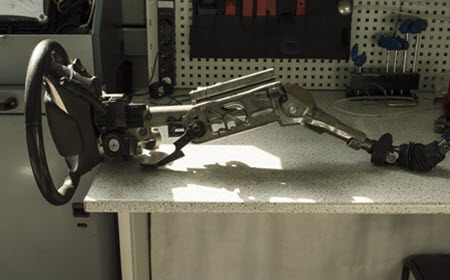
Adair & Sons is one of the leading automobile service shops in Texas with ASE-certified technicians and quality tools and equipment to give your car the best care. We are well versed in handling issues with both imported and German cars, so if you have one of these in Round Rock, you should bring them down for the best maintenance and repair services you can find around.

Car Steering Wheel Vibration

The Best Car Service in Round Rock for Steering Shaft Issues

Your vehicle’s steering system works efficiently to keep your car in motion and also to move in the direction you wish it to. This system is made up of several components all of which can wear out as time passes due to stress.

The steering shaft connects the steering wheel to the steering gearbox and ensures that small inputs or turns in the steering wheel are reciprocated in your tire/wheels so the car follows a certain direction. A faulty steering shaft could lead to serious complications in your car including a safety risk. Hence, you need to understand common signs of failure so you can get your car fixed before much damage is done.

Common Indications of a Faulty Steering Shaft in Your Car

If you notice any of the following signs when driving, then it could be that your car has some steering shaft problems that need urgent attention.

1. Steering Wheel Vibrations

This is one of the most obvious signs of a problem in a car’s power steering system. If you are driving and you start to notice that your car’s steering wheel is unstable or shakes as you accelerate, then the steering shaft could be bad.

These vibrations are caused by worn out parts of the steering shaft and they become more noticeable when driving on high speeds. You should take your car to a mechanic immediately you notice this as this could make you lose car control if it gets worse.

2. Difficulty in turning wheel

If it gets too tough to turn your car’s steering wheel, then the steering shaft could be faulty. One of the damages that could occur to a car’s steering shaft is corrosion from exposure to moisture and air. After a while, these corroded parts can become rigid, causing a resistance in the wheel and as a result, the wheel gets too difficult to operate.

3. Wheels off balance

Another sign that could point to a faulty steering shaft is an imbalance in the steering wheel’s angle. If you notice that your car’s wheel is not aligned at the center as it used to be, then there is a problem in the power steering system and it could be a steering shaft problem. This could also affect your car tires as they may not move in a straight direction and could eventually cause uneven wear distribution.

4. Strange noises

If your car begins to make strange sounds when you turn the steering wheel in a particular direction, then you should watch out as it could be due to a faulty steering shaft. These clicking or popping sounds are usually produced when there is damage in the system, so loose materials in the steering system clang against each other or against vehicle parts.

5. Slow steering response

The point of a car’s power steering system being a hydraulic system is to allow for little effort and large force. This means that a slight touch or adjustment to the steering wheel should result in a change in direction. However, if your car has a faulty steering shaft, it could respond slowly to any steering force.

6. Wheels fail to return to original position

When you turn your steering wheel to change the direction of your vehicle, it is expected that the wheels return to a straight position after the turn has been completed. However, if this does not happen in your car, then it could be that there is an issue with the power steering system. A damaged steering shaft could be a reason for this as there is no longer a smooth transfer or rotation motion between the steering wheel and the gearbox.

The Best Garage to Fix a Faulty Steering Shaft in Your Car

If your car has a bad steering shaft, you Car Steering Shaft Check should immediately find ways to fix it as it is not safe to drive around with such an issue. You should visit a trusted mechanic and explain the situation to them so they can take it from there.

Adair and Sons is one of the leading automobile repair shops in Round Rock. We have been providing maintenance and car care services to German vehicles for many years, so we have enough experience to help fix any issues with your car. Bring our car down today and trust us to deliver exceptional services.

Round Rock’s Most Trusted Car Service Center

Expert Tips To Find Reliable Car Service In Round Rock

Looking for a reliable auto service center in Round Rock, TX?

We’ve all been there, and we know how challenging it can be to find a service center that you can trust with the care of your beloved car. Today’s blog aims to help you locate the most dependable car service center in your area to ensure that your vehicle receives top-notch care. This post also sheds light on key factors one should bear in mind when selecting an auto service center, such as certifications, customer reviews and testimonials, years of experience, warranty offerings, etc.

Your Guide To Find A Reliable Car Service Center

If you want your vehicle to be handled with care, you should be diligent in selecting the service center. Listed below are a few things that can help you make an informed decision when it comes to finding a reliable auto shop.

#1- Researching local options

Finding a trusted auto service center in Round Rock, TX, is not easy… It involves several key steps- the first being the identification of all major service centers in and around the city. In the age of the internet, gathering such information is not that big of a deal. All you have to do is search “trusted car service near me” on Google. The search engine will present a list of businesses in the local pack. You can also use Yelp and other local directories for the research.

#2- Certifications & credentials

Once you have the list of auto service centers in the region, the next thing you should do is evaluate customer ratings, comments, and other aspects to gauge reliability. And, yes… don’t forget to verify the certifications and credentials of the technicians employed in those service centers. Certified technicians have the necessary skills and knowledge to effectively repair complex mechanical issues in any vehicle. Besides, certified professionals are likely to have access to exclusive technical information provided by the manufacturer.

#3- Experience & expertise

Service centers that have been around for quite a while, are more reliable compared to new ones. A service center that’s been serving the community for years- knows how to meet the needs of local drivers. Their high-quality service has resulted in repeat customers- the backbone of any successful business. Another interesting fact about long-standing businesses is that they are very concerned about their reputation. They thrive on customer satisfaction… so they won’t do anything that might hurt customers’ sentiments.

#4- Price transparency

Service centers that are transparent about their pricing should always be given preference. When booking for an auto service center in Round Rock, TX, choose the one that is transparent about its pricing. You are entitled to get a breakdown of costs such as labor costs, parts costs, and additional charges- if there are any. Also get clarification about payment options– check whether the service center accepts credit card, debit card, or cash. These are a few things that might not seem like much but can help you plan your budget beforehand.

#5- Location & convenience

The service center that is close to your residence or workplace should be given preference. Just to be clear… we are not saying that you should only choose the service center that is close to your home. Do your research and find the service center that employs certified professionals, has a decent proportion of five-star customer reviews on Yelp or similar platforms, excels in customer service, maintains transparency, and yes… is located conveniently close to your home. Finding such a service center is not a big deal- particularly for those who know where to look.

#6- References

If you don’t want to go through all that effort, simply ask for recommendations from someone trust- like your friend or co-worker. Ask them about service centers in Round Rock with which they have had a positive experience.

Adair & Sons Automotive: Round Rock’s Most Trusted Car Service Center

Finding a suitable auto service center in Round Rock, TX is not that big of a deal… especially if you know where to look. You can search on Google, Yelp, and different local business directories to research local options. Choose the service center based on factors such as customer reviews, technician certifications, experience, location, and accessibility. You can contact us at Adair & Sons Automotive to have your car serviced by certified and experienced professionals. We rank #1 in import, domestic, and diesel auto repair in Round Rock, TX. Call us at (512) 255-2022 or visit our website to book at appointment.

×

Licensed Used Car Dealer

CALL NOW